
IRD GLASS
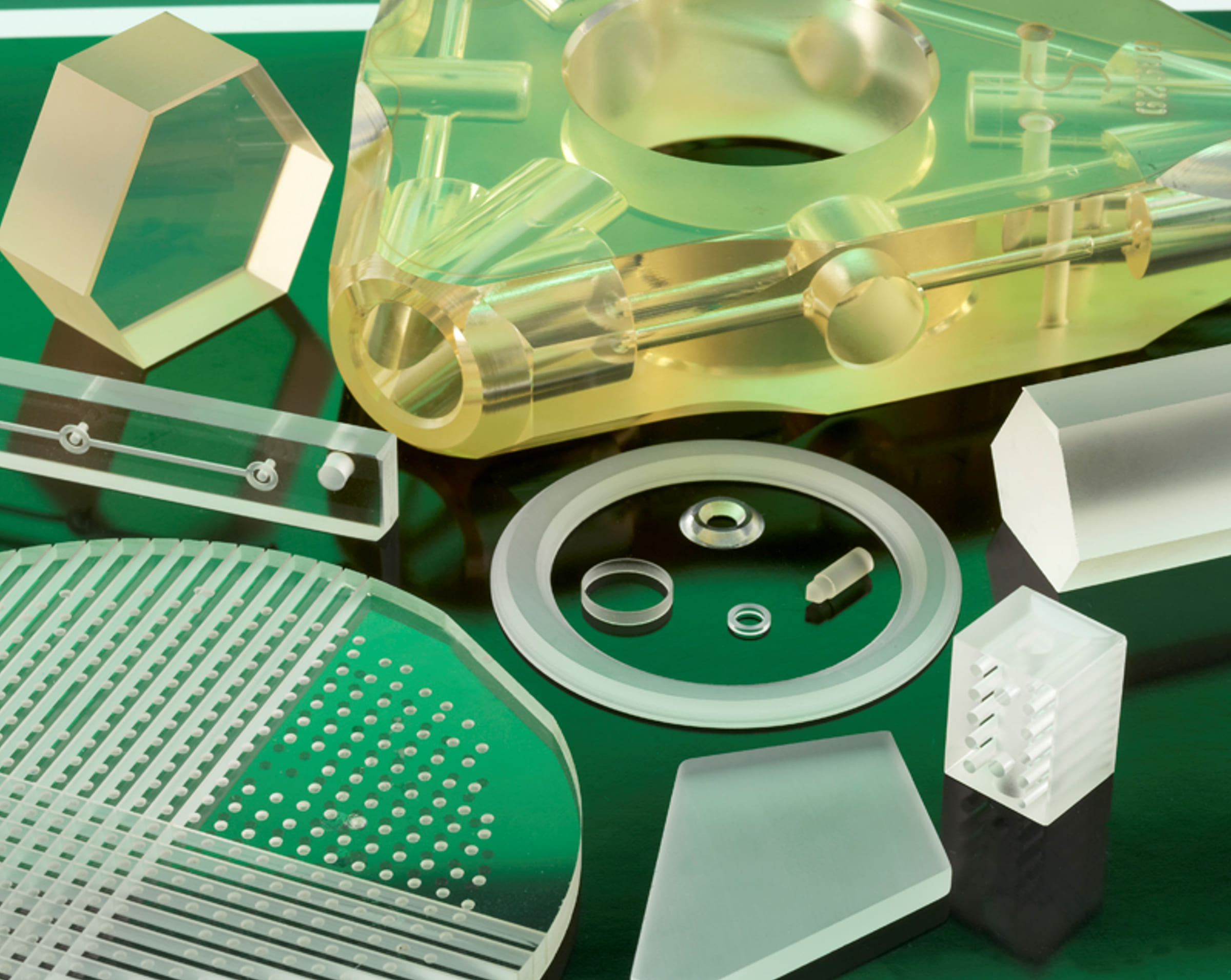
Ring laser gyro blocks manufactured by IRD Glass
Industries served

Precision optics foraerospace, laser, medical,and machine vision.

A laser OEM worries about angular performance. A medical buyer worries about traceability. A defense program worries about control. IRD builds each relationship around the failure mode that matters to that buyer.

Since 1982
Precision manufacturing
98%+
IRD-reported on-time delivery over the past decade
2
Minnesota facilities
Also supplying

Four more segments IRD builds for

These markets do not have dedicated pages, but the work is real and long-running. Each one is served by the same cells, equipment, and inspection methods described on the capability pages.

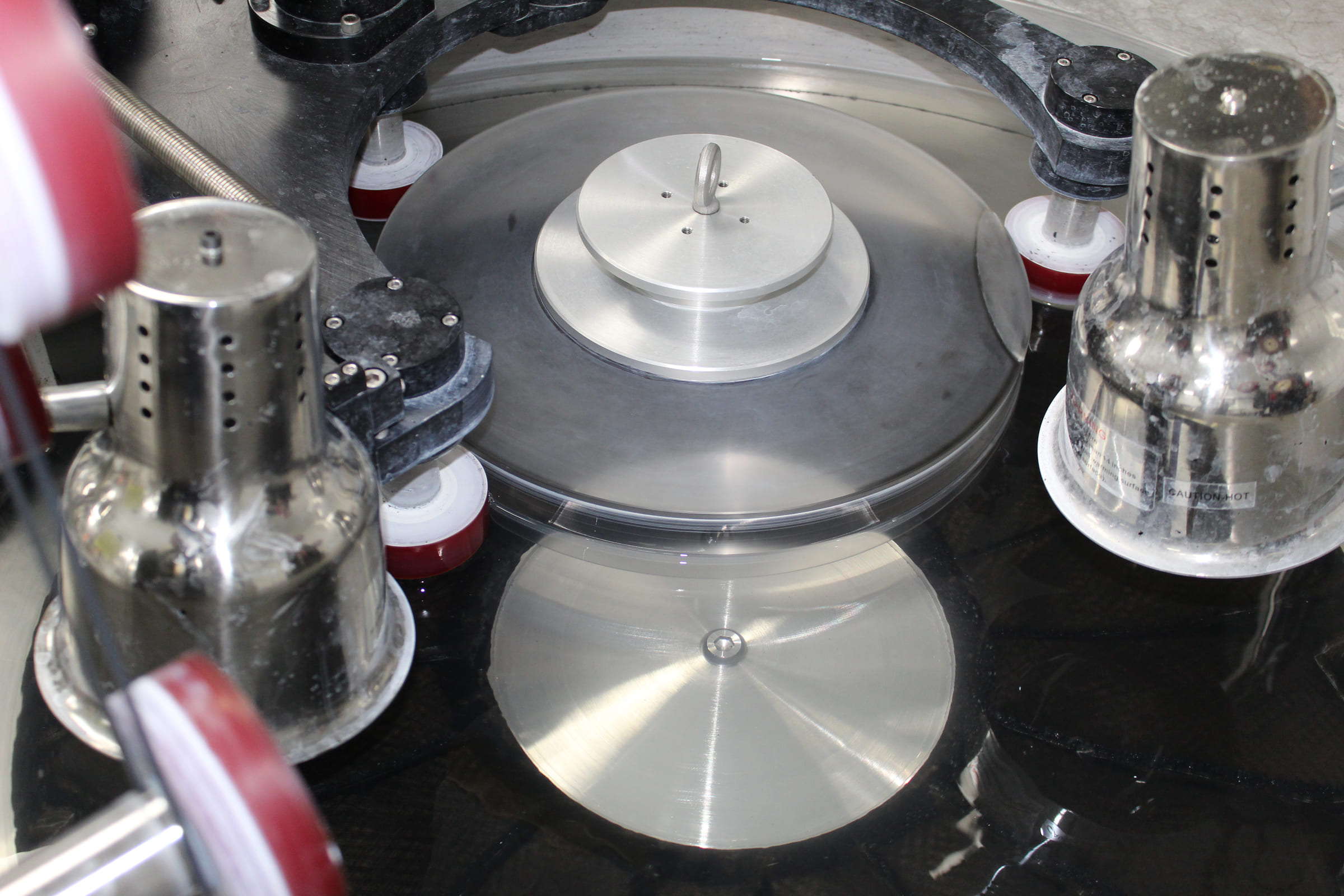
Lapping to ±.000010″ flatness at best case

Precision Tools and Fixturing

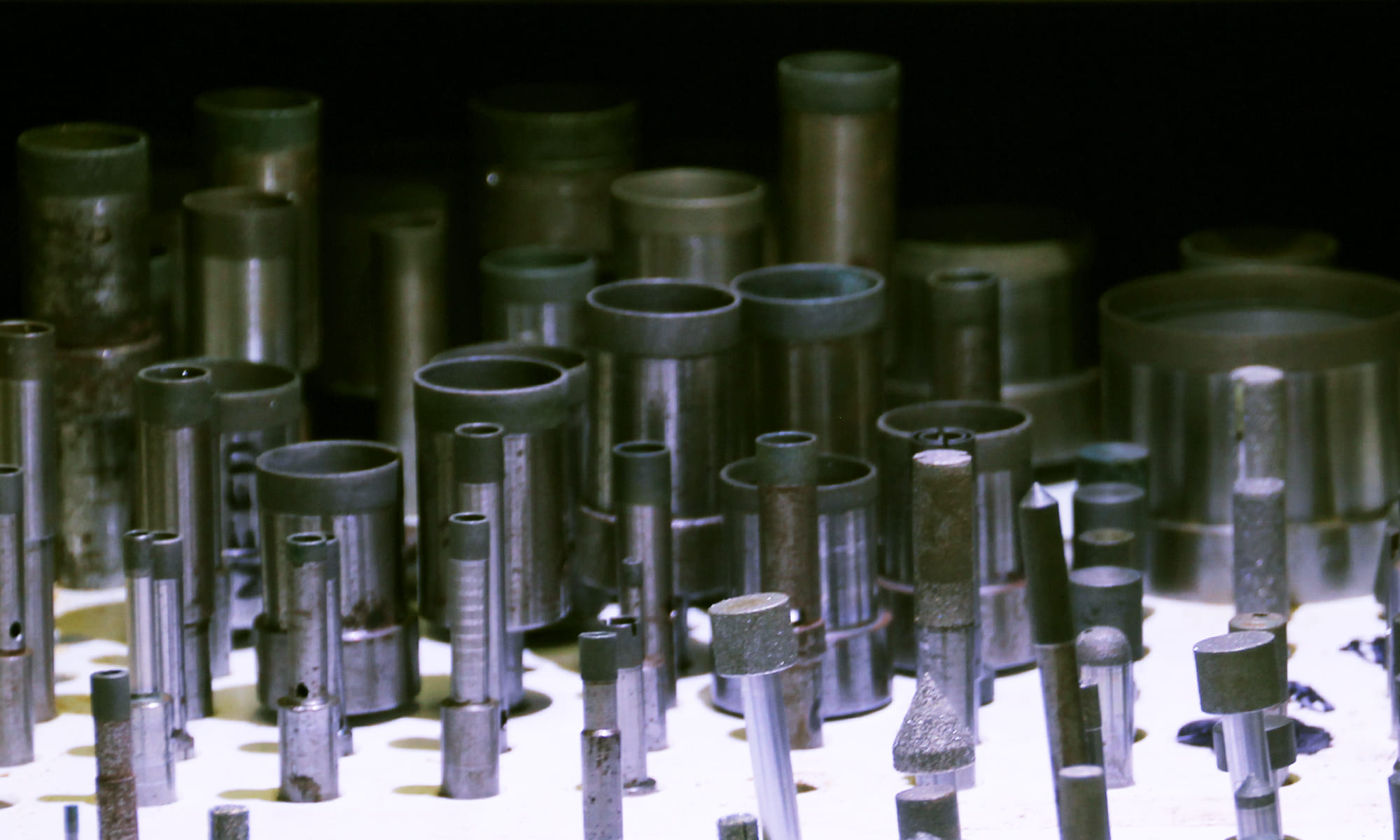
IRD manufactures precision tooling, fixturing, spacers, masks, wedges, seals, and technical glass components for OEM manufacturing environments. Working from customer drawings, IRD manufactures tooling components for dimensional stability, wear resistance, chemical or electrical isolation, and repeatable manufacturing performance. IRD tooling and fixturing components are used in semiconductor, aerospace, sensing, medical, and advanced manufacturing applications worldwide. When manufacturing precision depends on stable tooling and repeatable geometry, IRD delivers components manufactured to specification. Final capability is quoted to the drawing. Achievable tolerance depends on material, feature size, geometry, coating, and production volume.

  • Precision tooling and fixturing fabrication
  • Custom glass, ceramic, sapphire, and technical material solutions
  • Tight dimensional tolerances and precision surface finishes
  • Components ranging from miniature geometries to parts exceeding 8"
  • Thin-film coatings and specialty surface treatments
  • Prototype through production manufacturing
Review lapping and grinding capability
Face flatness to .000004″, edge chip to .004″

Pressure Sensors & Transducers

IRD manufactures precision glass pedestals and technical components for pressure sensors, transducers, and sensing technologies used in industrial, aerospace, medical, and process-control applications. These components are engineered for dimensional accuracy, flatness, and repeatable performance in demanding sensing environments. IRD manufactures hundreds of thousands of precision sensor components annually for OEM customers requiring consistent quality and repeatable performance. When sensing technologies depend on stable geometry and tight tolerances, IRD delivers components engineered for reliability. Final capability is quoted to the drawing. Achievable tolerance depends on material, feature size, geometry, coating, and production volume.

  • Precision pedestal fabrication
  • Tight flatness and edge chip tolerances
  • High-volume manufacturing capability
  • Advanced grinding, lapping, and polishing
  • Precision machining for sensor alignment applications
See technical glass components
Sub-micron reticle line widths

Inspection

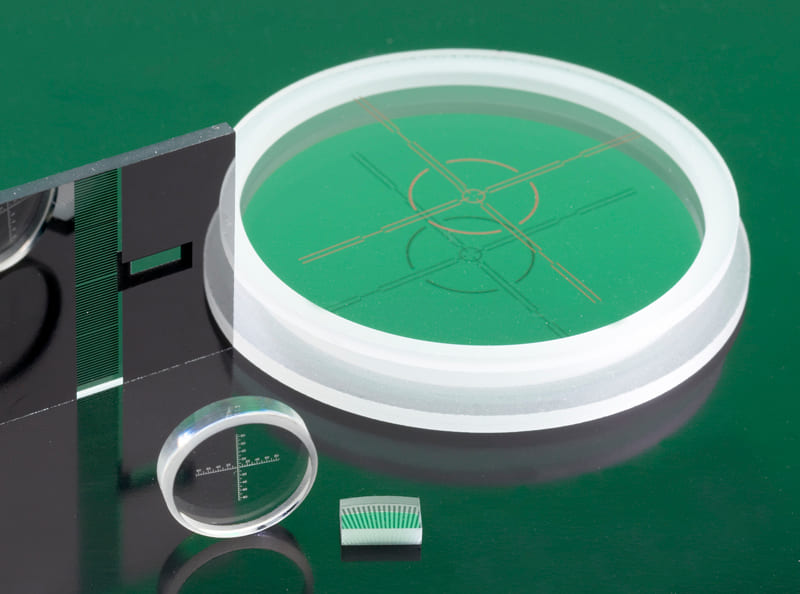
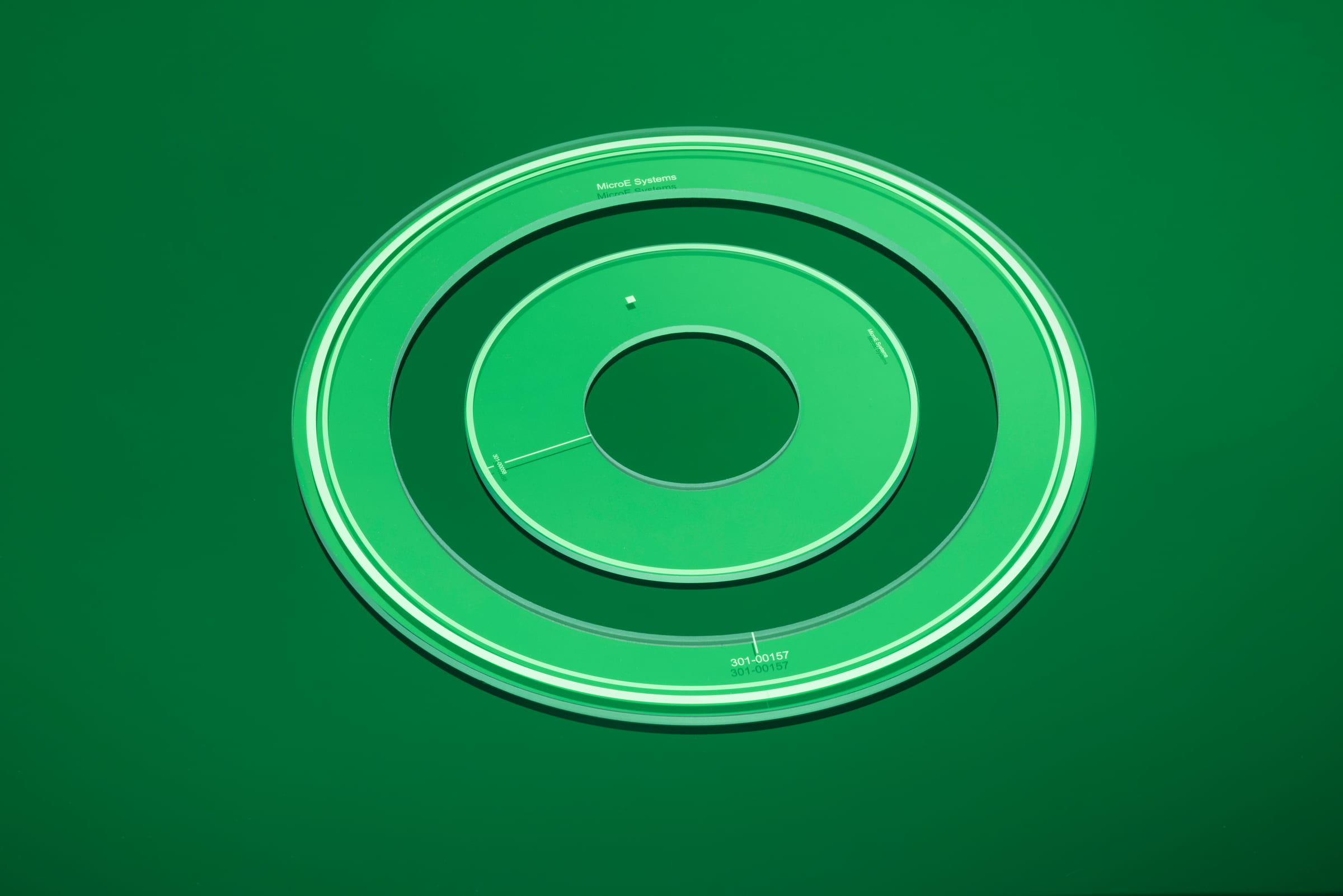
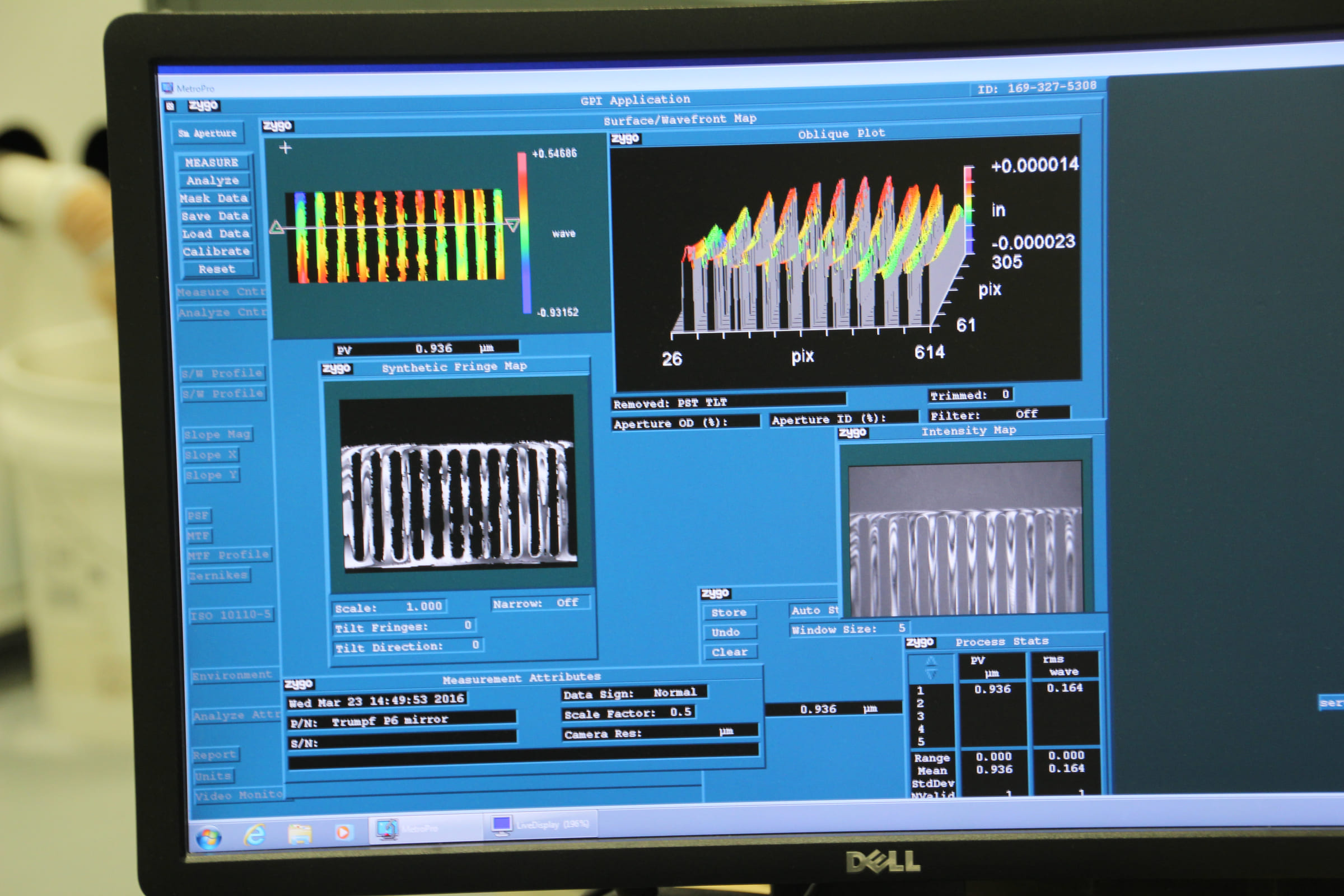
Reticles, targets, patterned masks, reference wedges, and optical flats that establish scale, focus, and calibration for measurement systems, plus the metrology capability behind them. Reticles are produced with details down to sub-micron line widths for semiconductor, inspection, and medical systems.

  • Reticles and targets
  • Patterned masks
  • Reference flats and wedges
  • Calibration fixtures
See machine vision programs
Prototype through high-volume production

Automotive Components

Repeatable glass and ceramic components for high-volume automotive sensing and manufacturing programs, where the same part has to arrive identical for years. Sawing, dicing, and waterjet routes are selected around the controlling geometry, and the cell keeps the process, inspection plan, and packaging connected as quantities grow.

  • High-volume production
  • Sensing components
  • Wear and protective glass
  • Custom packaging and kitting
Talk about a volume program

Send us your print

Tell us where the part lives, what can fail, and which dimensions control the system. An applications engineer will connect the requirement to a process that can repeat.