

IRD GLASS
Sapphire and technical ceramic components manufactured by IRD Glass

Optical and glass components
for medical devices

Medical teams often arrive with strict device specifications but limited experience in how glass, sapphire, and ceramic behavior change machining, sterilization exposure, coating, edge condition, yield, and inspection.

IRD works with medical OEMs including Alcon and Boston Scientific to turn device requirements into repeatable components, documentation, packaging, and production routes.

Since 1982Medical component manufacturing
98%+IRD-reported on-time delivery, past decade
1 cellDedicated ownership through inspection

Medical applications

IRD manufactures custom precision glass, technical ceramic, and optical components for medical device OEMs, diagnostic systems, surgical technologies, implantable devices, and advanced healthcare instrumentation. Our components are engineered for applications requiring biocompatibility, sterilization compatibility, dimensional precision, optical clarity, and long-term reliability in demanding medical environments.

IRD has established medical supply relationships with Alcon and Boston Scientific.

The work spans slides, cuvettes, tubes, windows, filters, sapphire, ceramic tips, nozzles, blades, and IR components. Each program begins with the device environment: what touches the part, how it is cleaned or sterilized, what it must transmit, and which edge or datum the assembly depends on.

That context lets the applications team translate a medical requirement into a process without asking the buyer to become a glass-fabrication expert.

Alcon
Boston Scientific
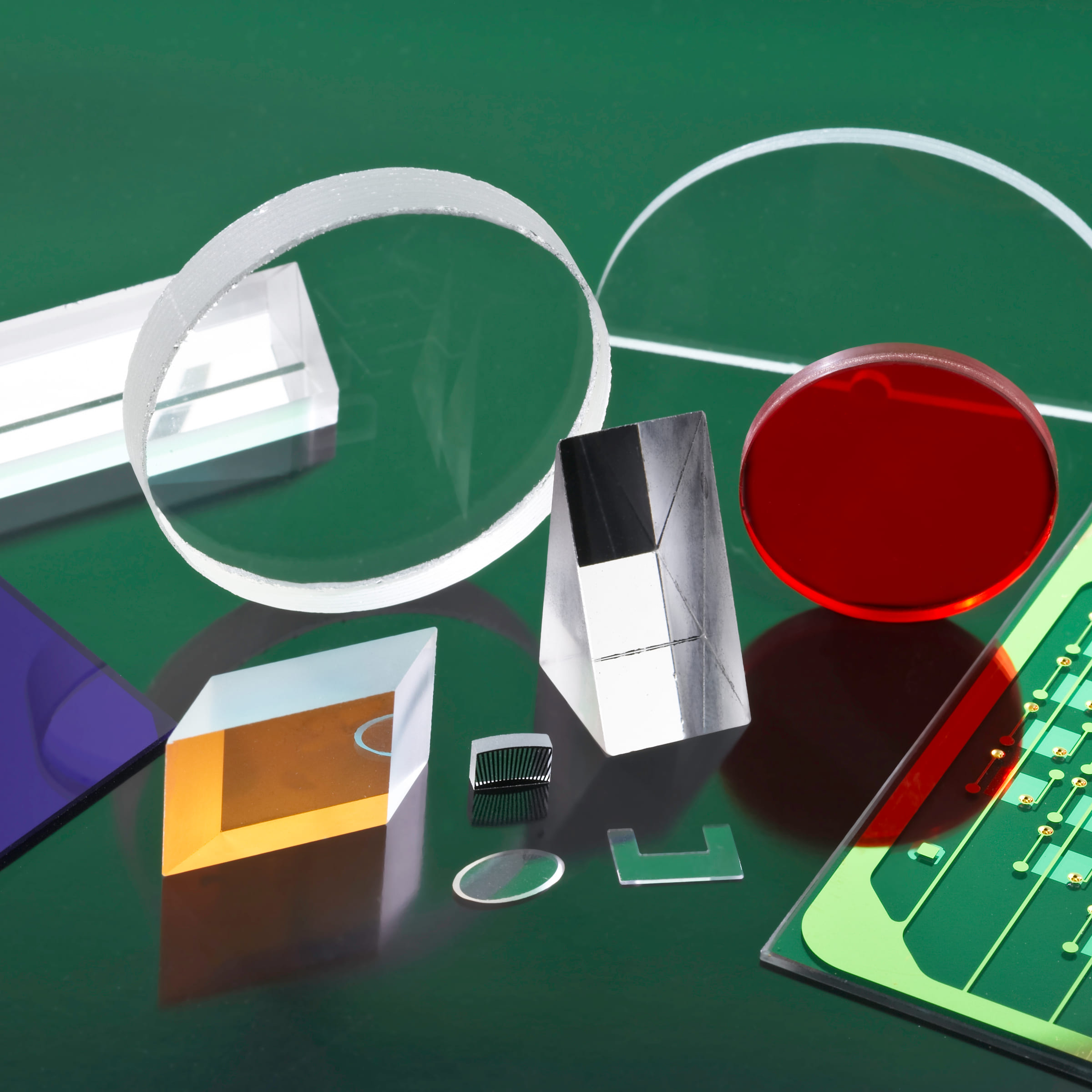
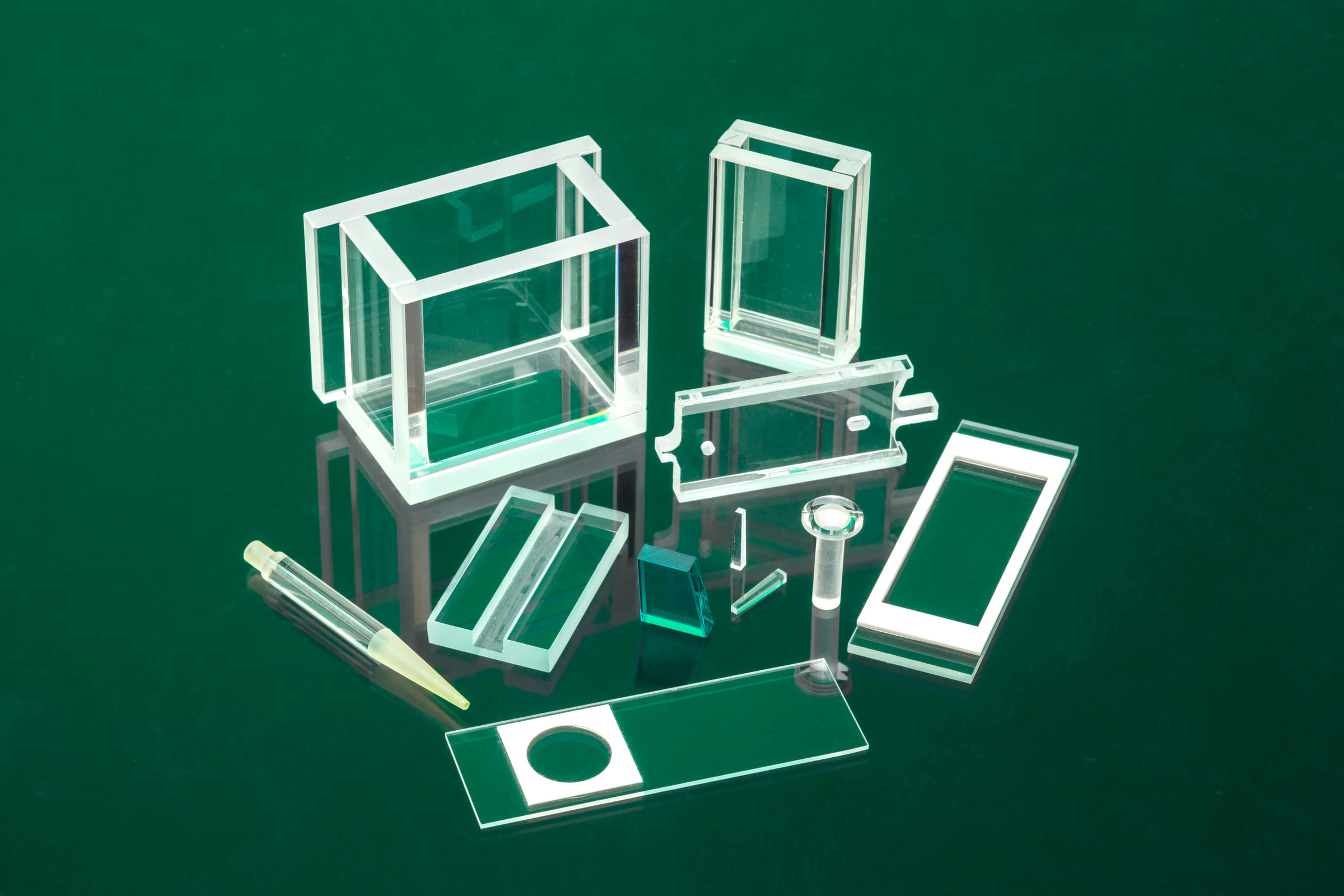
Precision medical glass assemblies manufactured by IRD Glass

Precision tubes can include polished or fire-polished ends and controlled flow geometry.

Diagnostics & Sample Handling

Controlled geometry around the sample, image, and flow path.

Slides, cuvettes, capillaries, and precision tubes support microscopy, imaging, fluid handling, and analytical devices. Material, bore, length, flatness, edge condition, coating, and packaging are coordinated around the instrument rather than specified independently.

What IRD builds

Custom slidesCuvettesCapillariesPrecision tubesOptical filtersFlow components

Typical applications

  • Microscopy
  • Sample analysis
  • Fluid handling
  • Diagnostic imaging
  • Cleaning and sterilization requirements

Materials

  • Borosilicate
  • Fused silica
  • Filter glass
  • Sapphire
  • Technical ceramics
Precision optical components manufactured by IRD Glass

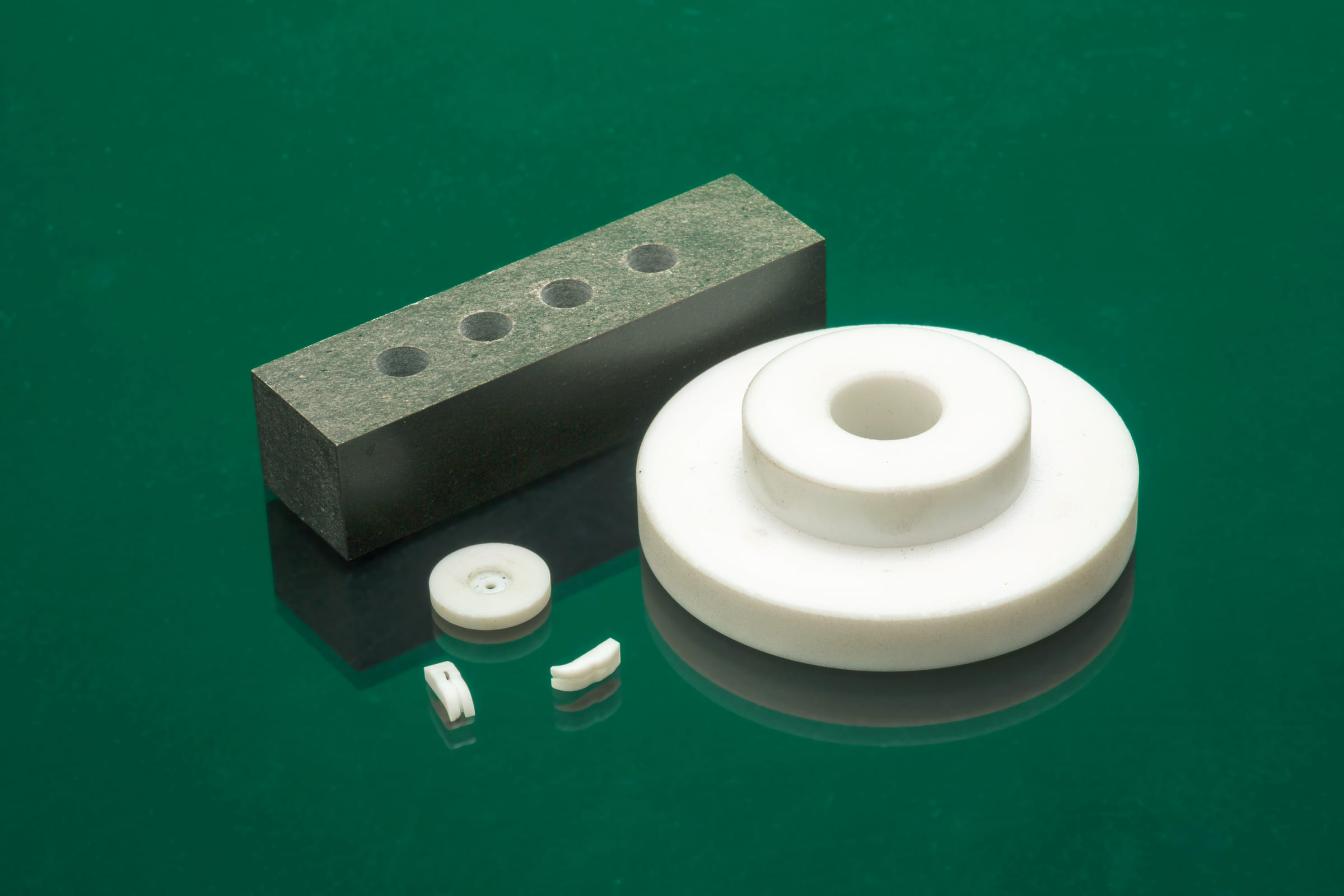
Medical components may combine machining, polishing, coating, strengthening, and assembly.

Surgical & Ophthalmic Systems

Small optical and ceramic parts at the point of treatment.

Windows, filters, laser optics, probe tips, nozzles, cutting blades, and ceramic elements are manufactured around thermal exposure, surface quality, edge safety, spectral performance, and the surrounding assembly.

What IRD builds

Laser windowsOptical filtersProbe tipsNozzlesCutting bladesCeramic components

Typical applications

  • Ophthalmic lasers
  • Endoscopy
  • Ablation
  • Cauterization
  • Surgical delivery

Materials

  • Fused silica
  • Sapphire
  • Optical glass
  • Alumina
  • Zirconia
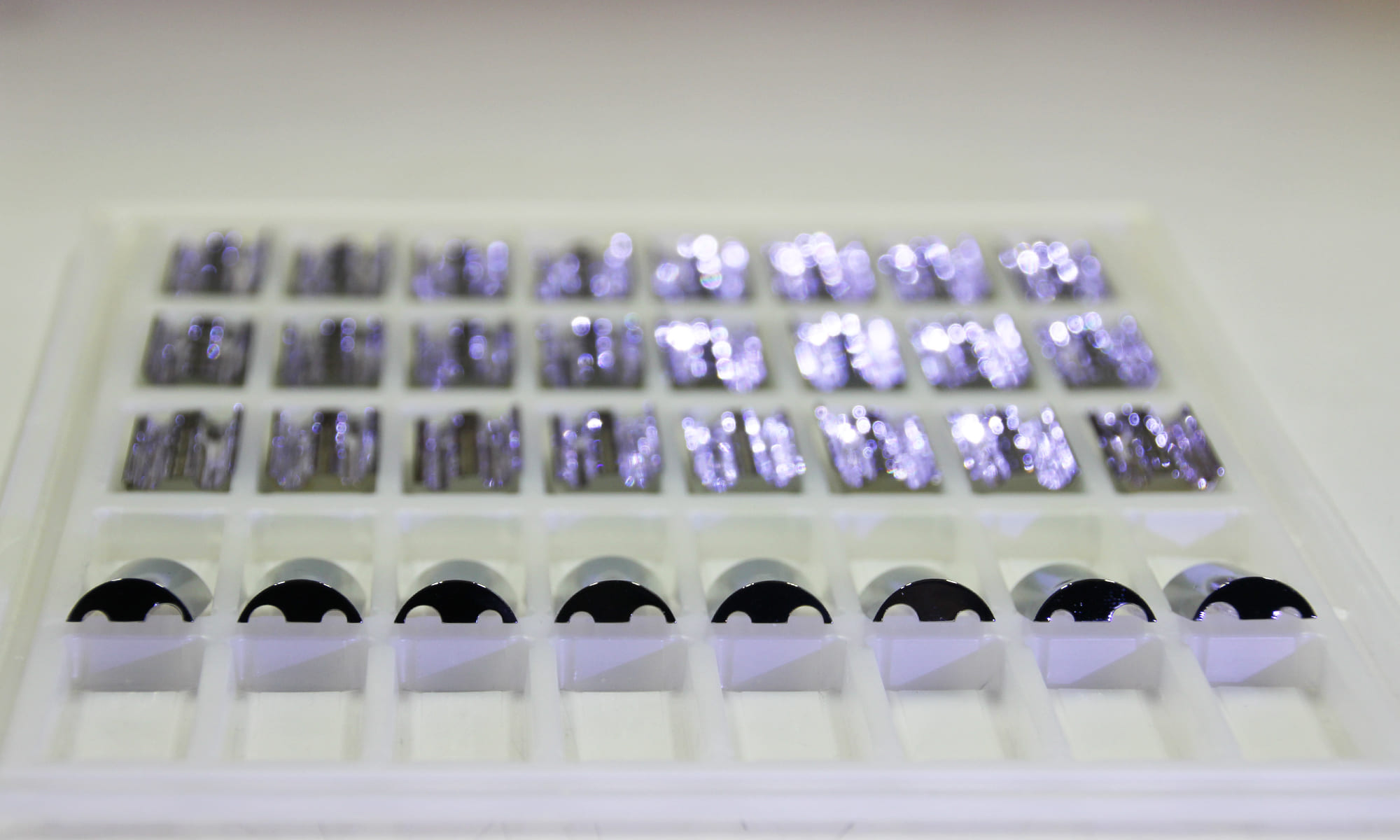
Finished optical components in inspection trays

IRD processes optical materials from UV through infrared applications.

Medical Sensing & Protection

Windows and lenses that protect the sensor without hiding the signal.

Sapphire windows, IR lenses, protective glass, and coated filters are reviewed around spectral response, abrasion, heat, chemical exposure, mounting, and cleaning. The component route includes the finished environment, not only the transmission curve.

What IRD builds

Sapphire windowsIR lensesProtective windowsCoated filtersSensor interfaces

Typical applications

  • Radiometry
  • Anesthesiology
  • Patient monitoring
  • Optical sensing
  • Diagnostic instruments

Materials

  • Sapphire
  • Silicon
  • Germanium
  • Fused silica
  • Filter glass
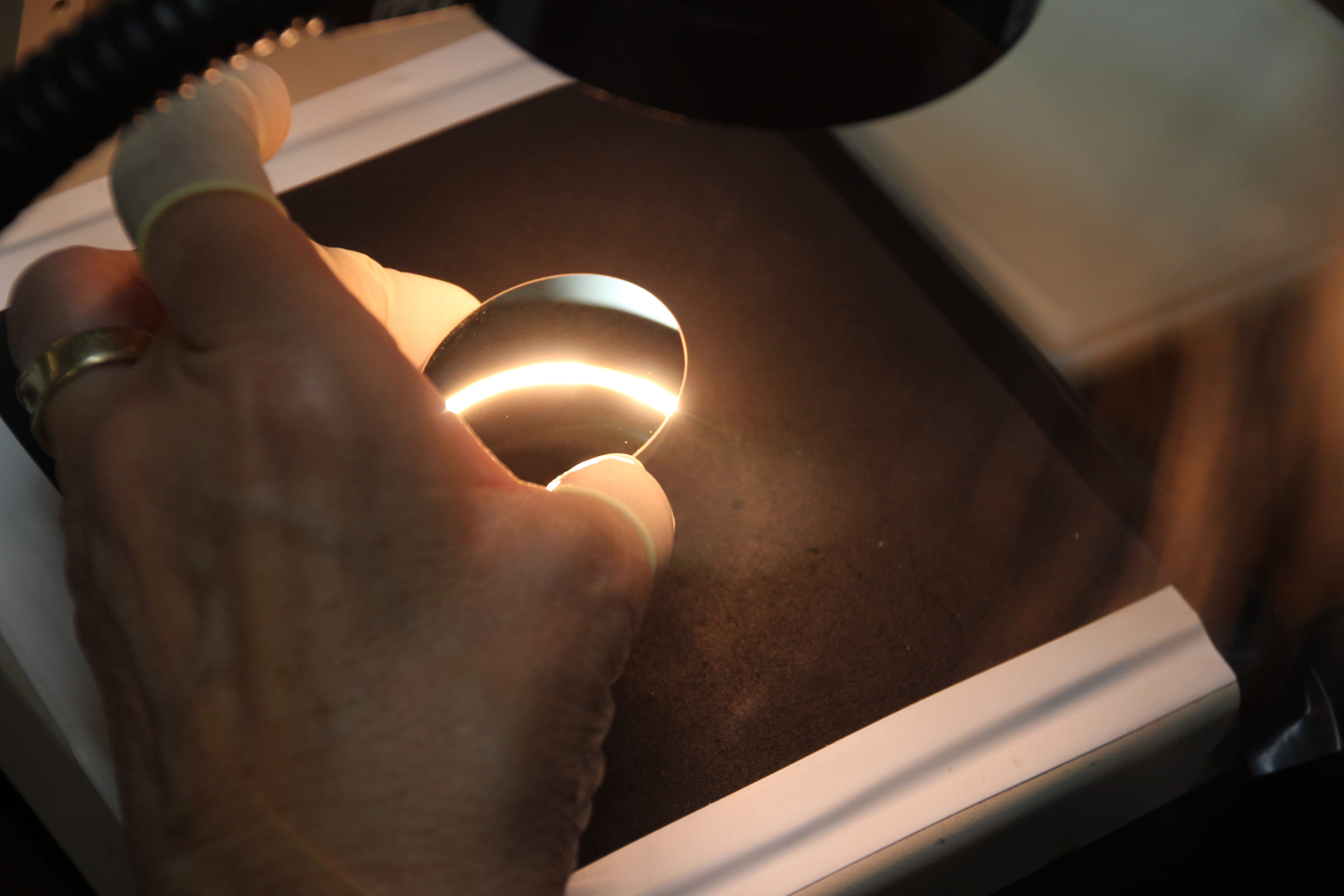
An IRD Glass inspector examining a finished optic under light

Final capability is quoted to the drawing. Achievable tolerance depends on material, feature size, geometry, coating, and production volume.

Implantable Components

IRD manufactures precision glass, sapphire, and ceramic components used in implantable medical devices and long-term medical applications.

IRD supports implantable medical technologies requiring material reliability, dimensional precision, and consistent long-term performance.

What IRD builds

Implantable-grade glass and ceramic componentsSapphire windows and precision substratesMiniature components engineered for biocompatibility and durabilityPrecision fabrication for implantable sensing and monitoring devicesComponents designed for long-term environmental stabilityHermetic sealing

Typical applications

  • Implantable medical devices
  • Implantable sensing and monitoring
  • Long-term medical applications

Materials

  • Glass
  • Sapphire
  • Ceramic
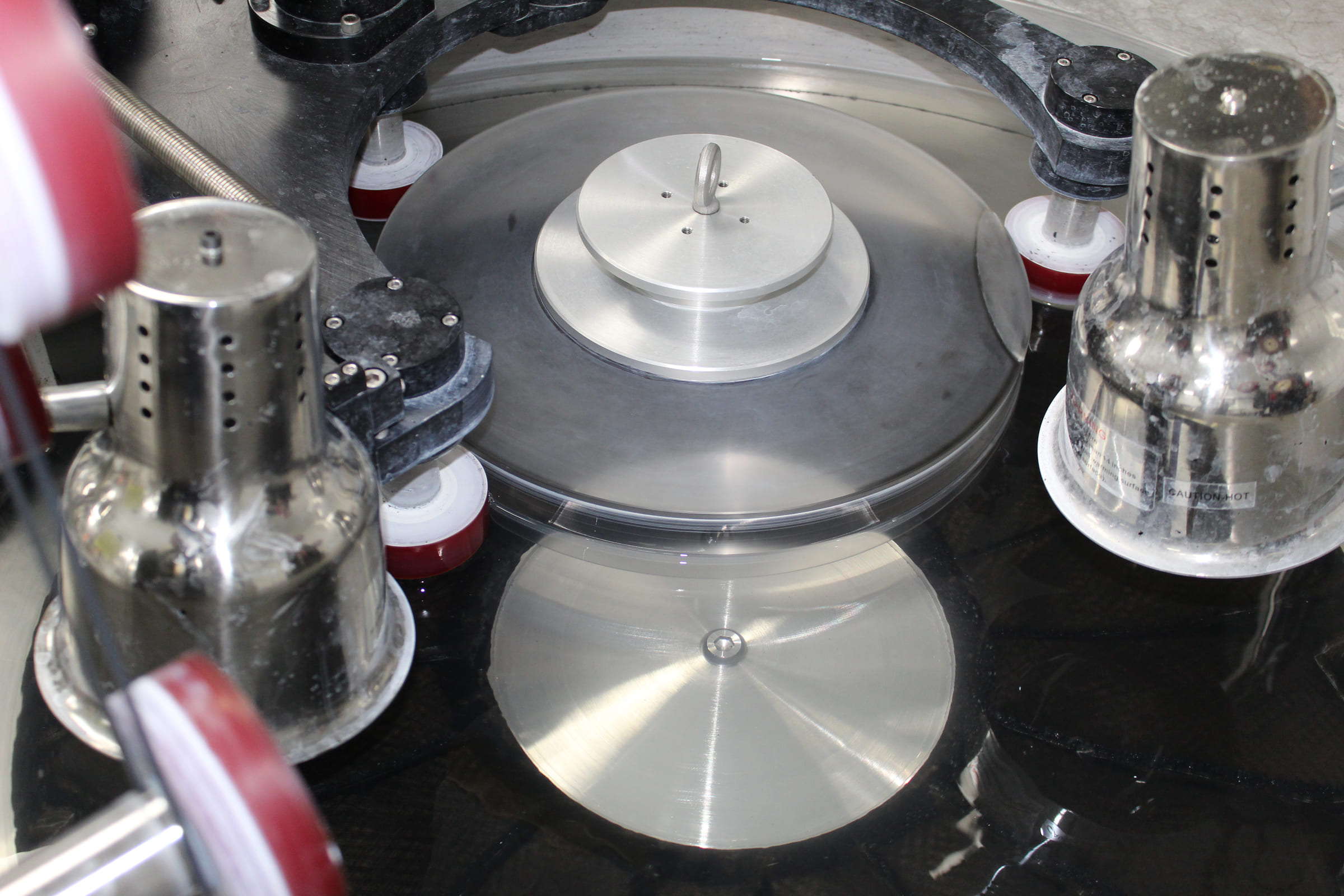
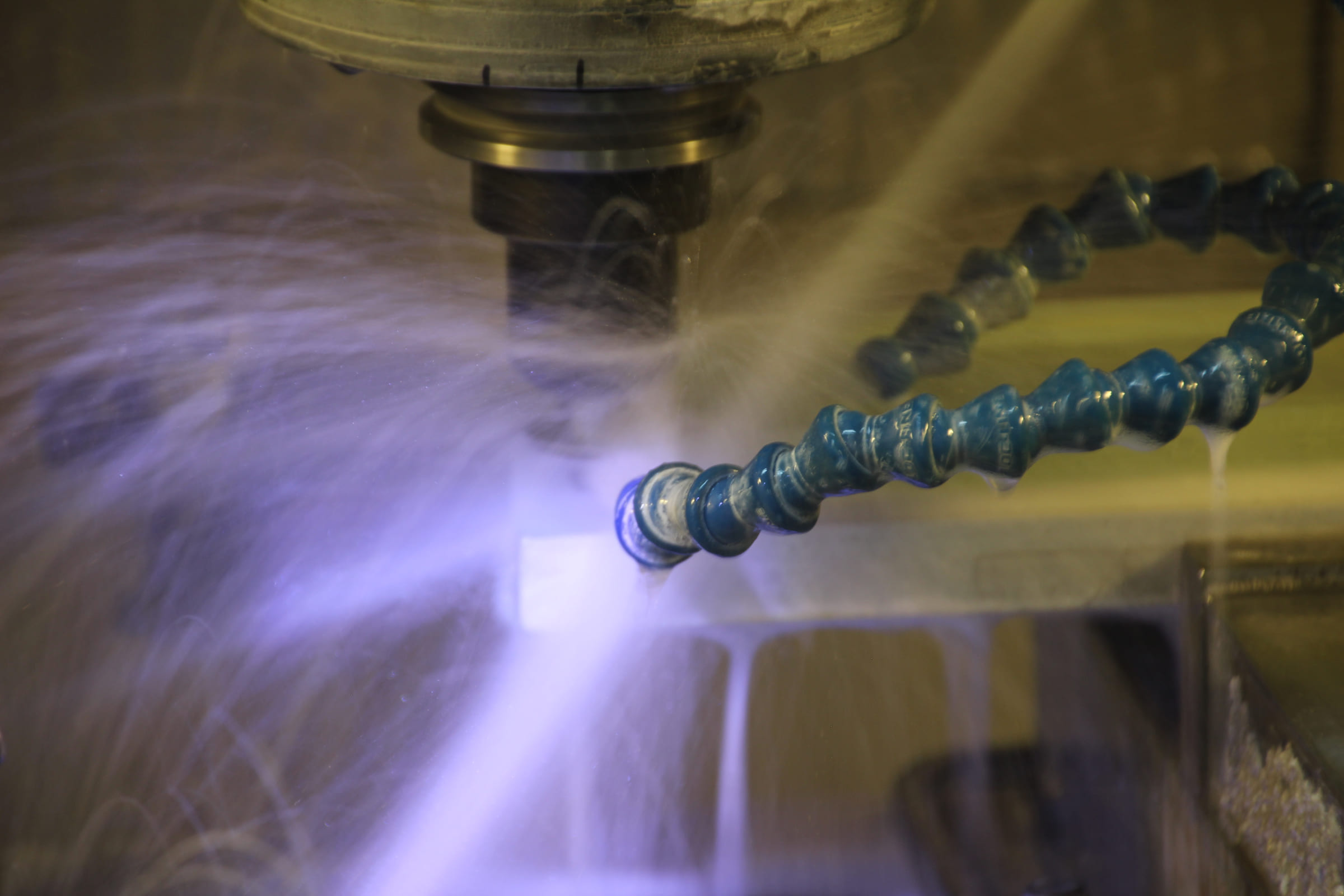
A precision polishing cell running at IRD Glass

Documentation scope is customer- and program-specific.

Production & Documentation

The approved process has to remain the production process.

Cell ownership, revision control, inspection planning, packaging, and corrective action follow the program as volume grows. Required evidence is defined with the customer so each shipment arrives ready for incoming review and point of use.

What IRD builds

Inspection plansLot traceabilityCustom packagingRepeat-production cellsKitted components

Typical applications

  • Design transfer
  • Production scale-up
  • Supplier qualification
  • Sustaining programs

Materials

  • Customer-specified materials
  • Optical glass
  • Technical glass
  • Sapphire
  • Ceramics

The requirement.The measured range.

Medical components are qualified to the customer print and device context. Use these ranges to start feasibility review, then define the actual acceptance method.

AttributeTypicalBest caseWhere it matters
PolishingRa < 1 µinRa < 2 ÅScatter- and energy-sensitive optical surfaces
Flatness1 wave< 1/20 waveWindows, mirrors, filters, and reference faces
Parallelism30 arc sec< 2 arc secBeam steering and plane-parallel components
Angle5 arc min3 arc secPrisms, wedges, and alignment geometry
Machining±.005″±.0001″Mounting features and custom profiles
Grinding±.002″±.0002″ flatnessHard materials and structural geometry

Inspection and device documentation

Surface, dimension, angle, and cosmetic quality are measured with the instrument and sampling plan agreed for the program. Traceability and packaging expectations are defined before release.

OGP vision systems

Non-contact dimensional measurement for small and complex geometry.

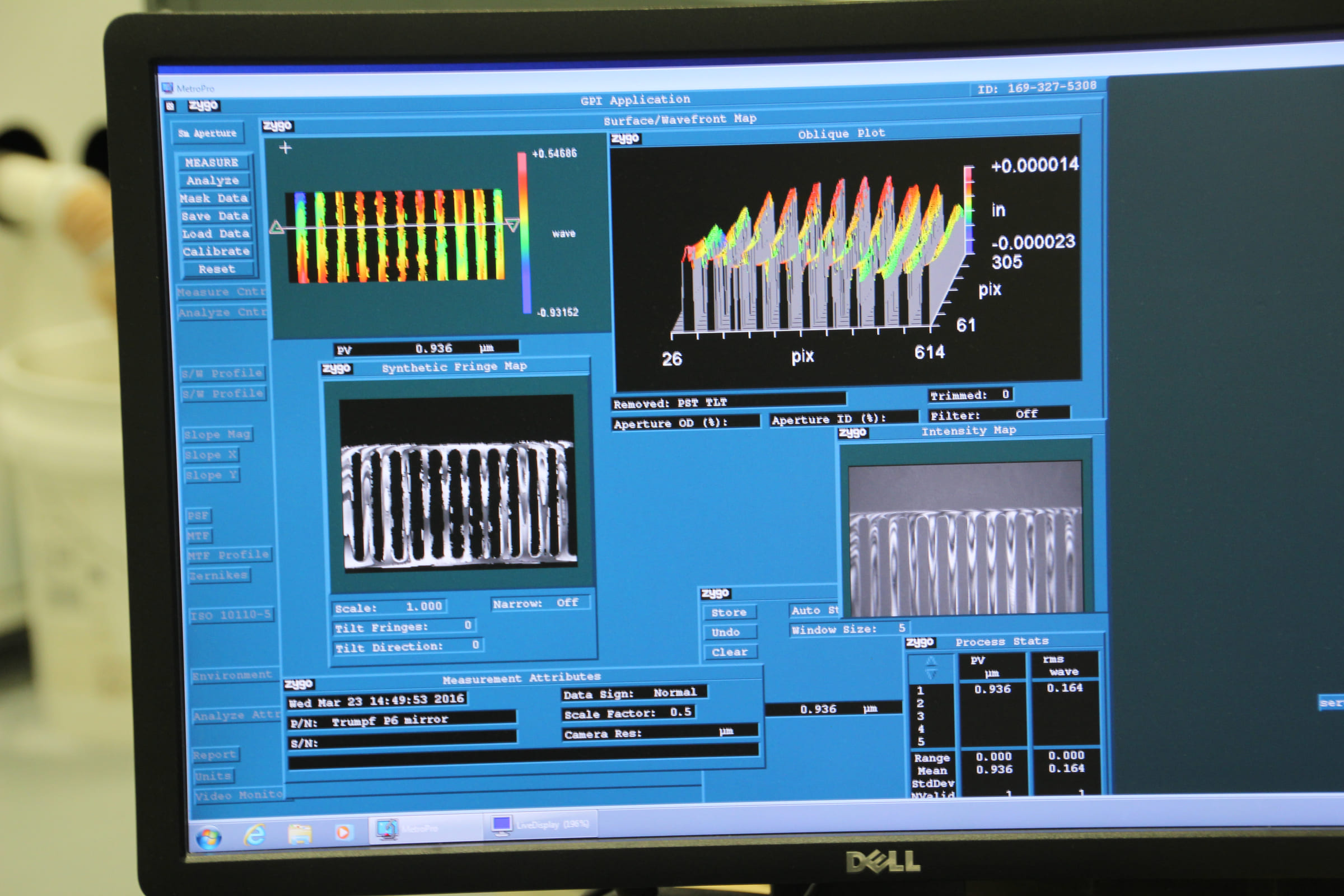
Zygo NewView

White-light interferometry for surface roughness and micro-form verification.

Laser interferometers

Transmitted and reflected wavefront checks on flats, windows, and mirrors.

Nikon autocollimators

Angular and parallelism verification for arc-second requirements.

Interferometric surface measurement at IRD Glass

How the program is supported

Medical buyers qualify the quality system, process control, change discipline, traceability, delivery, and response path. IRD structures the cell around those questions.

ISO 9001:2015

Certified quality management system for ultra-high precision glass, optical, and ceramic components.

ITAR registered

Registered with the Directorate of Defense Trade Controls; controlled work stays domestic across both plants.

Veteran-owned

100% owned by two United States veterans representing the Navy and the Army. Current registration documentation is available during supplier qualification.

Cell-based manufacturing

Dedicated people, equipment, and process ownership from material through inspection.

Send your device requirement

Talk to an applications engineer

An applications engineer will translate environment, geometry, finish, documentation, and volume into a manufacturable route.