
A finished optical component may look simple, but even a small surface imperfection can change how it performs. A precision glass window might meet every dimensional requirement and still scatter light or create unwanted reflections if its surface quality isn't right. That's why the optics manufacturing process involves much more than cutting glass to size.
Each manufacturing stage builds on the one before it. From selecting materials to inspecting finished parts, understanding how these steps fit together helps engineers and purchasing teams. They can then communicate their needs, recognize potential challenges, and plan more effectively before production begins. Read on and explore this guide to the optics manufacturing process.
How Does Optical Manufacturing Begin?
Before any material reaches the production floor, manufacturers need to understand what the component must accomplish. A glass component used in a laser system may have different requirements from one used in medical equipment. Those differences shape the material selection and manufacturing approach.
This early planning stage connects the component's intended function with the specifications needed to produce it. It's also an opportunity to identify requirements that could make fabrication more challenging than the drawing initially suggests.
Defining the Component's Requirements
Some projects begin with detailed engineering drawings. Others start with a performance requirement that still needs to be translated into manufacturing specifications.
Either way, several details help establish the project's direction:
- Material type and optical properties
- Component dimensions and geometry
- Dimensional tolerances and surface quality
- Optical transmission and coating requirements
- Operating conditions and performance expectations
- Inspection criteria and documentation needs
A manufacturer can use this information to review the design for manufacturability. Identifying potential concerns early gives buyers a chance to clarify specifications before fabrication begins.
Selecting the Component's Material
Material selection affects optical performance as well as manufacturing complexity. Optical glass is often chosen for its transmission characteristics, while sapphire may be appropriate when scratch resistance or durability is especially important.
Other applications may call for technical ceramics or infrared (IR) materials with different properties. For example, optical medical glass may be specified for a medical device when its transmission characteristics and other material properties suit the application.
The question isn't simply which material performs best. It's which material meets the application's requirements and can be manufactured to the necessary specifications.
How Are Optical Components Cut and Shaped?
With the requirements established, fabrication can begin. This stage turns raw material into a component with the approximate dimensions and geometry needed for its intended use.
Optical materials present different challenges than many metals. Glass and other brittle materials can chip or develop damage if machining conditions aren't carefully controlled. That makes the preparation and machining stages particularly important.
Preparing the Raw Material
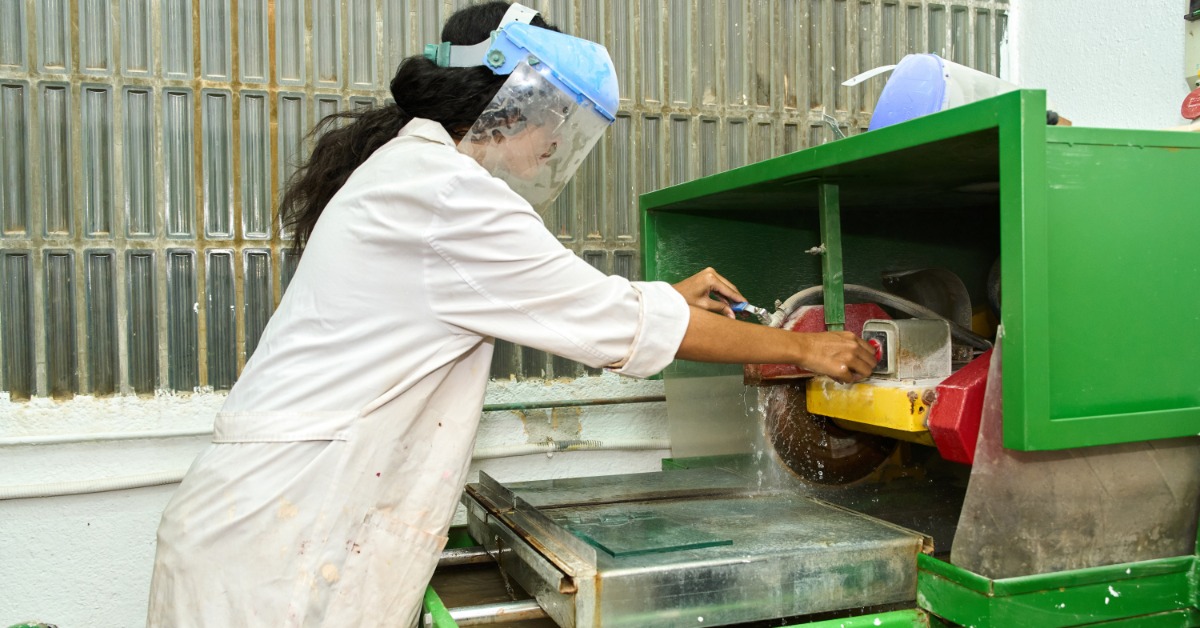
Manufacturers typically begin by cutting the selected material into a workable shape. Depending on the component, this may involve precision sawing or another specialized cutting method.
The initial cut doesn't often produce the finished dimensions. Additional material is typically left in place so later machining and finishing operations can refine the component.
Machining the Component's Geometry
Grinding and other precision machining methods gradually bring the component closer to its required dimensions. The approach depends on the material and the complexity of the design.
Manufacturers must account for several considerations during this stage:
- Material removal and machining conditions
- Dimensional accuracy and tolerance requirements
- Edge quality and potential chipping
- Surface damage from machining
- Component stability during processing
A part with tight tolerances may require several controlled machining operations rather than one aggressive material-removal step. This helps establish the geometry needed for later finishing.
How Are Optical Surfaces Finished?
A component can have the correct dimensions and still fall short of its performance requirements. For many optical applications, surface quality matters just as much as the component's overall geometry.
Finishing operations refine surfaces that have already been shaped through machining. How much refinement is needed depends on the component's function and how it interacts with light.
Refining Surfaces Through Lapping
Lapping is an abrasive finishing process that removes small amounts of material to improve surface characteristics. It can be used to achieve specified flatness, which describes how closely a surface matches an ideal plane.
This matters for components that require precise surface geometry. An optical window, for example, may need carefully controlled flatness to avoid affecting the light passing through it.
Lapping requirements depend on the material and the component's intended function. Not every precision glass part needs the same degree of surface refinement.
Improving Surface Quality Through Polishing
Polishing further refines a component by reducing surface roughness and addressing damage left by earlier operations. Surface roughness refers to the small irregularities present on a material's surface.
In optical applications, these irregularities can scatter light and affect performance. Polishing helps produce surfaces that meet the component's specified requirements.
How Are Optical Coatings Applied?
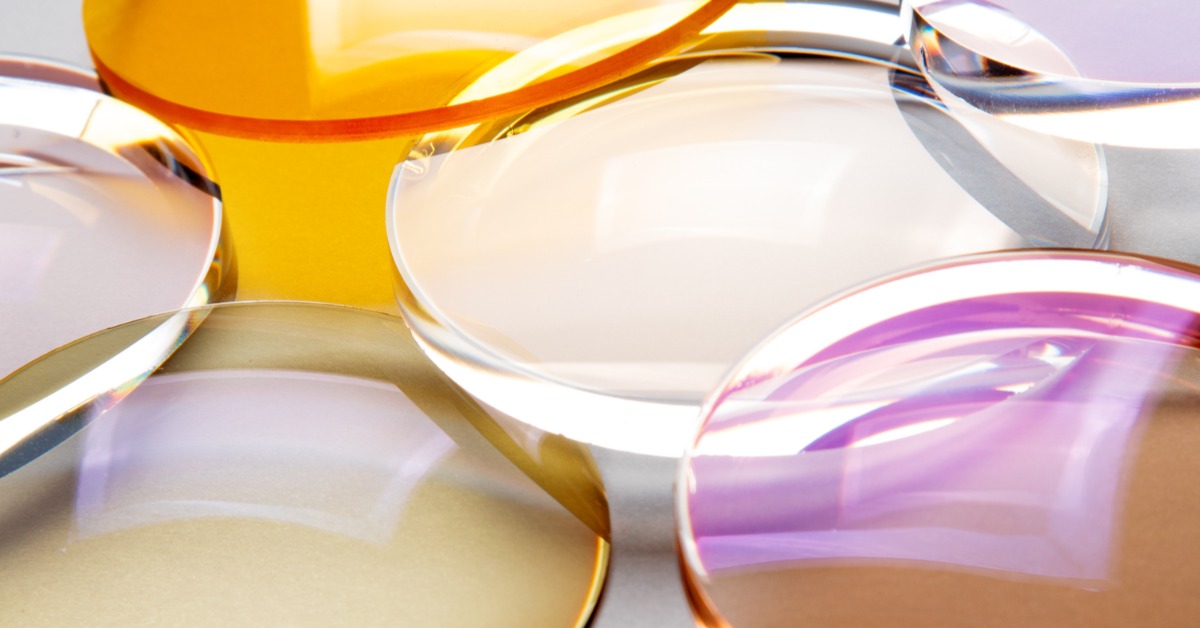
Some optical components need more than a carefully finished surface. Optical coatings are thin layers applied to a component to control how light interacts with it.
Depending on the application, coatings can influence reflection or transmission at specific wavelengths. Choosing the right coating means considering both the optical requirements and the properties of the underlying material.
Determining the Coating's Function
Different coatings serve different purposes. An antireflective coating, for example, reduces unwanted reflections, while a reflective coating can direct light within an optical system.
Common coating objectives include:
- Reducing reflections at selected wavelengths
- Increasing reflection for mirrors
- Controlling light transmission
- Supporting wavelength-specific optical performance
Preparing the Surface for Coating
Coating performance depends partly on the condition of the underlying surface. Cleanliness and proper preparation matter because contamination or defects can affect the finished coating.
That's one reason coating requirements should be discussed before fabrication is complete. Manufacturers need to know whether the planned finishing operations will provide a suitable surface for the specified coating.
Coating compatibility also deserves attention during material selection. Addressing it early helps keep fabrication decisions aligned with the component's final optical requirements.
How Can Buyers Prepare for Optical Manufacturing?
Understanding the optics manufacturing process gives buyers a stronger foundation for discussing custom components. But knowing what to provide before requesting a quote can be just as valuable.
Engineers may already know which specifications matter most. Purchasing teams may need to coordinate those requirements with supplier capabilities and inspection expectations. Both benefit from a clear picture of what the component needs to accomplish. Answering the questions from the sections above will provide the team with the information they need to be successful.
How Can the Right Manufacturing Partner Support Your Project?
Each stage of optical manufacturing affects the next. Material selection shapes machining decisions, and machining influences the finishing work needed. Inspection then determines whether the completed component meets its requirements.
Understanding those connections makes it easier to explain what matters most in a custom project, especially when a drawing doesn't tell the whole story.
IRD Glass manufactures custom precision glass and optical components for demanding technical applications. If you're working with a new design or an existing print, share your specifications with an IRD Glass expert. The team can discuss material options, surface requirements, and potential manufacturing challenges before you request a quote.