IRD GLASS
ProductsCylindrical Optics

Cylindrical Optics.

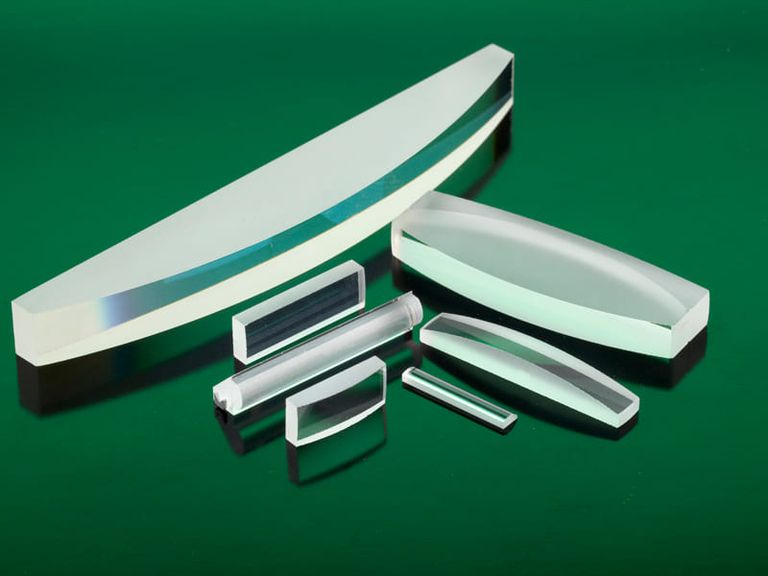
IRD manufactures custom cylindrical optics for OEM applications in laser systems, medical devices, imaging technologies, aerospace instrumentation, sensing systems, and advanced photonics. Working from customer drawings, IRD fabricates convex and concave cylindrical optics where curvature, surface quality, centration, and repeatability are critical.

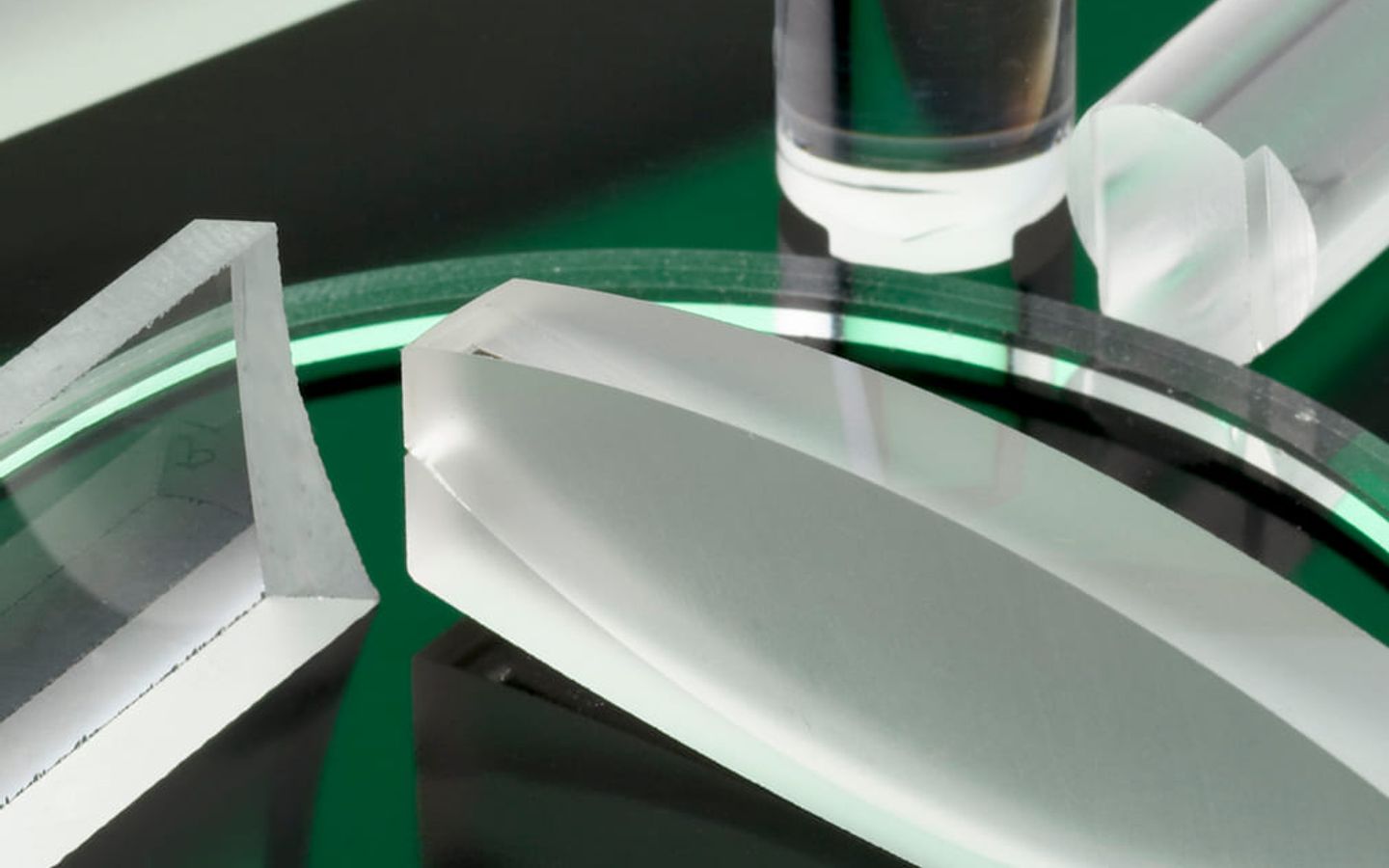
Cylindrical optics and rod lenses manufactured by IRD Glass

What we manufacture

IRD cylindrical optics are engineered to support demanding applications in laser beam shaping, spectroscopy, semiconductor systems, imaging technologies, and advanced sensing platforms. When optical systems require precision curvature control, advanced coatings, and repeatable performance, IRD delivers cylindrical optics manufactured to the customer drawing.

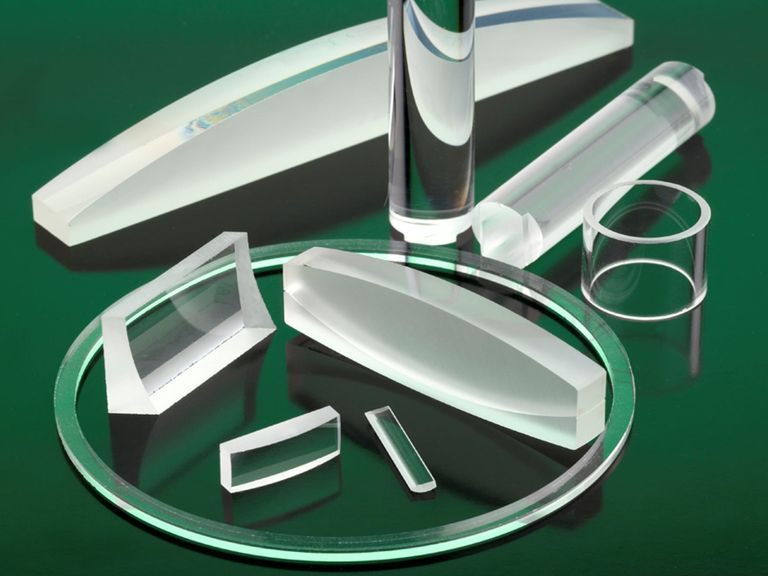
Cylindrical lens elements manufactured by IRD Glass

Plano-convex cylindrical lenses

IRD manufactures precision plano-convex cylindrical lenses for OEM applications requiring line focusing, beam shaping, and one-axis optical correction. Working from customer drawings, IRD fabricates plano-convex cylindrical optics engineered for applications where controlled focusing in a single axis is critical to system performance and optical efficiency. IRD plano-convex cylindrical lenses are used in laser systems, barcode scanners, spectroscopy equipment, imaging technologies, semiconductor systems, and advanced sensing applications where precise line focusing and beam control are required. When optical systems demand efficient one-axis focusing and precision optical performance, IRD delivers plano-convex cylindrical lenses manufactured to the customer drawing.

Convex cylindrical lenses from .060 inch to plano, radii from less than 2 mm to greater than 125 mm
Cylindrical optics and rod lenses manufactured by IRD Glass

Plano-concave cylindrical lenses

IRD manufactures precision plano-concave cylindrical lenses for OEM applications requiring beam expansion, optical correction, and controlled divergence in a single axis. Working from customer drawings, IRD fabricates plano-concave cylindrical optics engineered to deliver consistent optical performance, dimensional accuracy, and reliable integration into advanced optical systems. IRD plano-concave cylindrical lenses are used in laser beam expansion systems, imaging equipment, analytical instrumentation, aerospace optics, and advanced photonics applications where controlled beam shaping and optical correction are critical. When applications require precise beam expansion and optical consistency, IRD delivers plano-concave cylindrical lenses manufactured to the customer drawing.

Concave cylindrical lenses from .060 inch to plano
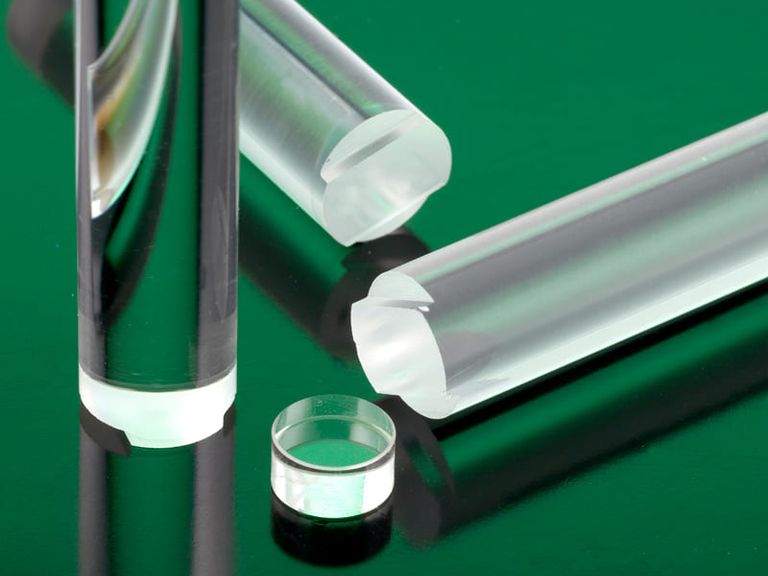
Precision rod lenses manufactured by IRD Glass

Rod lenses

IRD manufactures precision rod lenses for OEM applications in laser systems, medical devices, imaging technologies, sensing systems, and advanced photonics. We specialize in the fabrication of convex cylindrical rod lenses engineered for efficient light transmission, beam shaping, focusing, and compact optical system integration. Our rod lenses are used in medical instrumentation, imaging systems, sensing technologies, laser platforms, fiber optic applications, and compact optical assemblies where miniature size, precision geometry, and repeatable optical performance are critical. When optical systems require compact light transmission and precision cylindrical optics, IRD delivers rod lenses manufactured to the customer drawing.

Diameters from .070″ to .650″ and larger, depending on geometry and material; diameter tolerances to ±.001″
Cylindrical optical components

Custom forms

Convex, concave, and compound profiles developed around the print, alignment scheme, and inspection method.

Process capability

Manufacturing limits by process

These are IRD's published capability limits across materials and geometries, not a grade every part ships to. Open the process that controls your critical surface and quote against that one.

Precision machining, polishing, and grinding with tight control of curvature, form, and dimensional accuracy, run in cell-based manufacturing processes optimized for flexibility and shorter lead times.

AttributeTypicalBest case
RadiusConvex and concave cylinder geometries, from .060 inch to planoApplication-defined<2 mm to infinity
Radius formPrecision optical polishing on the powered axisPrint-defined1/10 wave on radius
Dimensional toleranceCylindrical lensesPrint-defined±.0005″
Centration toleranceLocated on custom centering equipmentPrint-defined±.001″
Rod lens diameterDiameter tolerances to ±.001″Print-defined.070″ to 3″ and larger
Surface finish, cylinder surfacePowered cylindrical facesRa < 1 µinRa < 10 Å
Surface finish, plano and end facesPlano faces and rod lens endsRa < 1 µinRa < 2 Å
FlatnessPlano faces1 wave< 1/20 wave
ParallelismPlano faces and rod lens ends30 arc sec< 2 arc sec
Process control

Curve form and centration controls

Our custom centering equipment precisely locates the center of curvature, while advanced ripple-checking systems verify curve form and flatness to maintain consistent optical performance. These are the controls IRD holds across a production run.

  1. The center of curvature is located, not estimated

    IRD uses custom centering equipment built to locate the center of curvature on a cylindrical surface. Decentration on a cylinder shows up as a tilted line focus rather than a blurred point, so it has to be measured on the powered axis directly.

  2. Form and flatness are ripple-checked before the optic moves on

    Custom ripple-checking equipment verifies the form and flatness of the curve in process. Catching a form error while the part is still on the polishing route is what keeps a batch from finishing out of tolerance together.

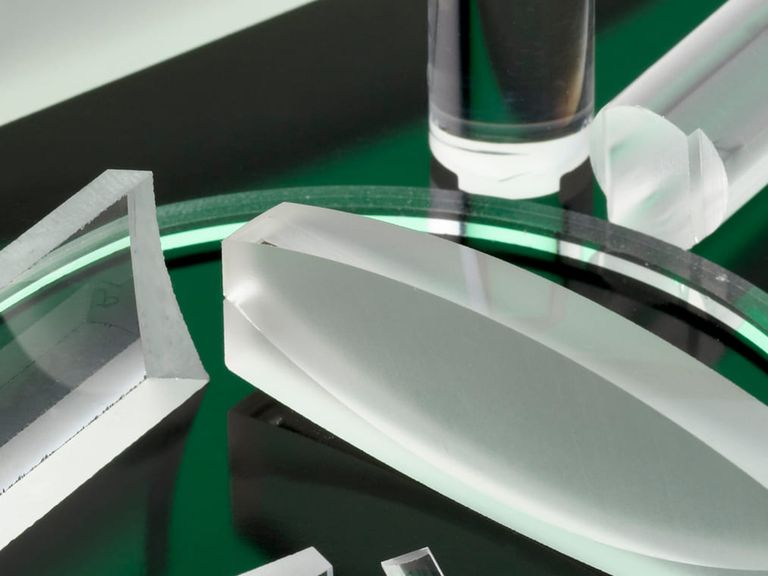
Cylindrical lens elements manufactured by IRD Glass
  1. Interferometry on a curve needs a null

    IRD uses a custom computer-generated hologram on a customized Zygo GPI to map cylindrical surface form and flatness interferometrically.

    CGHs are used only on Zygo systems; four are on hand and custom sizes can be ordered
  2. Polishing equipment is dedicated to the geometry

    Cylindrical polishing systems and rod polishers are separate machines from the flat lapping and polishing lines, so cylinder work is not run on tooling designed for plano substrates. Proprietary polishing techniques on rod lenses improve optical clarity and surface quality, and the finished optics are engineered to deliver reliable performance across UV, visible, and IR spectrums.

    Six cylindrical polishing systems and eleven rod polishers on the floor
Capabilities

Capabilities, materials, and coatings

IRD manufactures custom cylindrical lenses for OEM applications in laser systems, medical devices, imaging technologies, sensing systems, aerospace instrumentation, and advanced photonics. Working from customer drawings, IRD fabricates convex and concave cylindrical optics for beam shaping, focusing, line generation, and one-axis optical correction. IRD cylindrical optics are engineered to deliver reliable optical performance across ultraviolet (UV), visible, and infrared (IR) spectrums in demanding operating environments. Our cylindrical lenses are used in laser beam shaping, imaging systems, spectroscopy, medical instrumentation, semiconductor systems, and advanced sensing applications where precision optical control is critical.

Cylindrical lenses

  • Convex cylindrical radii from less than 2 mm to greater than 125 mm
  • Concave cylindrical radii from less than 2 mm to greater than 125 mm
  • Custom cylindrical optical geometries
  • Precision optical polishing to 1/10 wave on radius
  • Cylinder Surface finishes better than Ra <10 Å
  • Tight dimensional and parallelism tolerances
  • Prototype through production manufacturing

Cylindrical optics

  • Convex cylindrical lenses
  • Concave cylindrical lenses
  • Custom cylindrical optical geometries
  • Precision centering and curvature control
  • Advanced polishing and optical finishing
  • Surface roughness below 2 Å Ra at best on qualified materials and geometries
  • Tight dimensional and parallelism tolerances
  • Prototype through production manufacturing

Representative capabilities

  • Radii from less than 2 mm to greater than 125 mm
  • Precision machining, polishing, and grinding
  • Tight control of curvature, form, and dimensional accuracy
  • Dimensional tolerance of ± .0005 in
  • Centration tolerance of ± .001 in
  • Cell-based manufacturing processes optimized for flexibility and shorter lead times

Plano-convex cylindrical lenses

  • Custom plano-convex cylindrical lens fabrication
  • Precision curvature generation and polishing
  • Radii from less than 2 mm to greater than 125 mm
  • Surface roughness below 2 Å Ra at best on qualified materials and geometries
  • Flatness better than 1/20 wave at best on qualified sizes and geometries
  • Tight dimensional and parallelism tolerances
  • High laser damage threshold (HLDT) and anti-reflective (AR) coating options
  • UV, visible, and IR wavelength optimization
  • Prototype through production manufacturing

Plano-concave cylindrical lenses

  • Custom plano-concave cylindrical lens fabrication
  • Precision grinding, polishing, and curvature control
  • Custom centering and ripple-check verification systems
  • Surface roughness below 2 Å Ra at best on qualified materials and geometries
  • Tight dimensional and parallelism tolerances
  • UV, visible, and IR optimized optical materials
  • Thin-film optical coating solutions including AR and HR coatings
  • Prototype through production manufacturing

Rod lenses

  • Custom convex cylindrical rod lenses
  • Diameters from 0.070" to 0.650" and larger, depending on geometry and material
  • Diameter tolerances to ± .001"
  • Precision grinding, lapping, and optical polishing
  • Proprietary polishing techniques for improved optical clarity and surface quality
  • End-surface roughness below 2 Å Ra at best on qualified materials and geometries
  • Tight dimensional and parallelism tolerances
  • Prototype through production manufacturing

Materials

  • Fused silica
  • BK-7
  • Sapphire
  • Optical glasses
  • Infrared transmitting materials
  • Specialty optical substrates engineered to application requirements

Coatings

  • High laser damage threshold (HLDT) coatings
  • Anti-reflective (AR) coatings
  • High reflectivity (HR) coatings
  • UV, visible, and IR wavelength-specific coatings
  • Thin-film optical coatings optimized for transmission efficiency and durability

Rod lens coatings

  • Anti-reflective (AR) coatings
  • High laser damage threshold (HLDT) coatings
  • UV, visible, and IR wavelength-specific coatings
  • Thin-film optical coating solutions engineered for transmission efficiency and durability

Measured on

  • Zygo GPI interferometer
  • Zygo NewView
  • Zygo Verifire XPZ
  • Nikon 6D interferometer
  • Micro-Vu automated vision system
  • TriOptics Triangle
  • TriOptics PrismMaster
  • Starrett MVR300
  • Zeiss Spectrum
  • Zeiss O-Inspect
  • Tagarno digital microscope
FAQ

Frequently asked questions

The answers an applications engineer would give you on the first call.

Start a quote
Can IRD hold my cylindrical radius?

Send us your print, and the team will confirm the radius, material, cylinder length, clear aperture, form tolerance, and powered-axis orientation against the available process and inspection route.

How do you measure form on a cylinder?

IRD uses computer-generated holograms only on customized Zygo systems to map cylindrical surface form and flatness. Four CGHs are on hand, and custom sizes can be ordered for the part. Custom centering equipment locates the center of curvature on the powered axis.

What do you need in order to quote?

IRD's quoting checklist: application, product type, volume potential and schedule, material, dimensions, surface quality, coatings, assembly, cleaning, and packaging. Attach the drawing. For a new design the technical team runs a no-cost Design for Manufacturability review before quoting, then estimates prototype and production volumes separately.

Does IRD design the part?

No. IRD manufactures to your print or performance requirement and contributes material, process, and manufacturability input, the design stays with your team. When a print calls for tighter tolerances than the application requires, IRD will flag the potential over-specification, since it can add unnecessary cost. Final optical design decisions remain yours.

How large a part can you make?

Machining runs to 30″ × 16″ × 16″, polishing to 36″ diameter, grinding to 24″ diameter at 6″ height, lapping to 13.3″ diameter, waterjet to 40″ × 24″ × 2″, and dicing to 8″ diameter at .300″ thick. Larger geometry is quoted against whichever process controls the critical surface.

Which coatings are applied in-house?

IRD applies basic anti-reflective and metallic coatings in-house for quick turnaround. Other coating requirements are handled through select, vetted coating partners. Name the coating target in the RFQ and the team will confirm the route before quoting.

Can you take ITAR-controlled work?

IRD is registered with the Directorate of Defense Trade Controls, and controlled programs are manufactured and stored domestically across the Litchfield and Alexandria, Minnesota facilities. Both plants operate under quality systems certified to ISO 9001:2015 and ISO 13485:2016 for ultra-high-precision glass, optical, and ceramic components.

How is the finished part protected in transit?

Packaging is tailored to the part and can include multi-layer foam, custom corrugated packaging, gel packs for sensitive optics, and military-grade cases. Components are supported on edges or non-critical surfaces outside the clear aperture and held against shifting in transit.

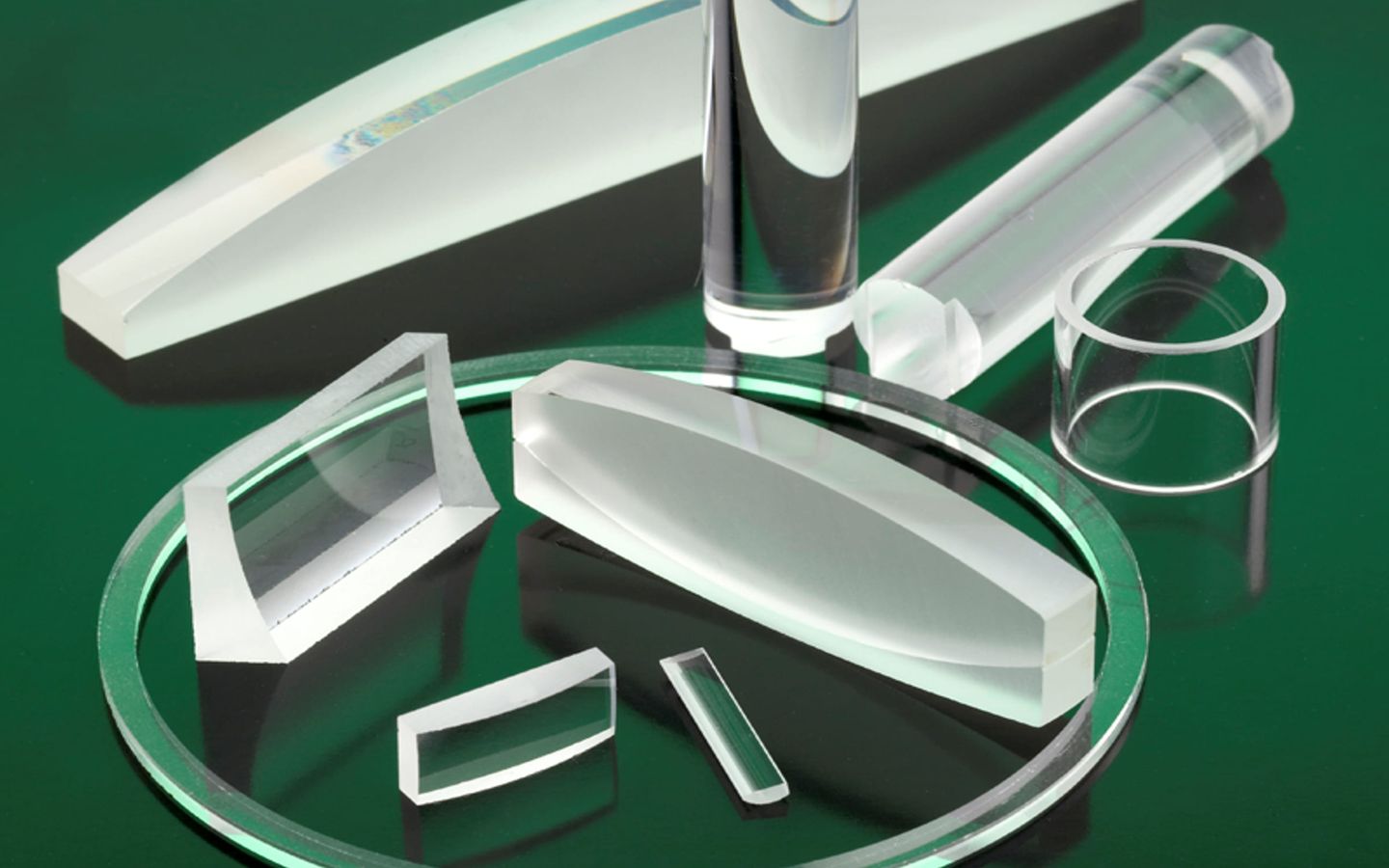
Cylindrical optical components
Start with the print

Send us your cylindrical optics requirement.

When optical systems require precision beam control, advanced coatings, and repeatable performance, IRD delivers cylindrical lenses manufactured to the customer drawing. Send the drawing with the radius and its tolerance, the clear aperture, the powered-axis orientation relative to the mounting datum, material, coating target, annual volume, and the inspection method you will accept the part against. For a new design, the technical team runs a no-cost Design for Manufacturability review before quoting, then estimates prototype and production volumes separately.

Final capability is quoted to the drawing. Achievable tolerance depends on material, feature size, geometry, coating, and production volume. Or call 320.693.7217 to discuss the print with an applications engineer.