
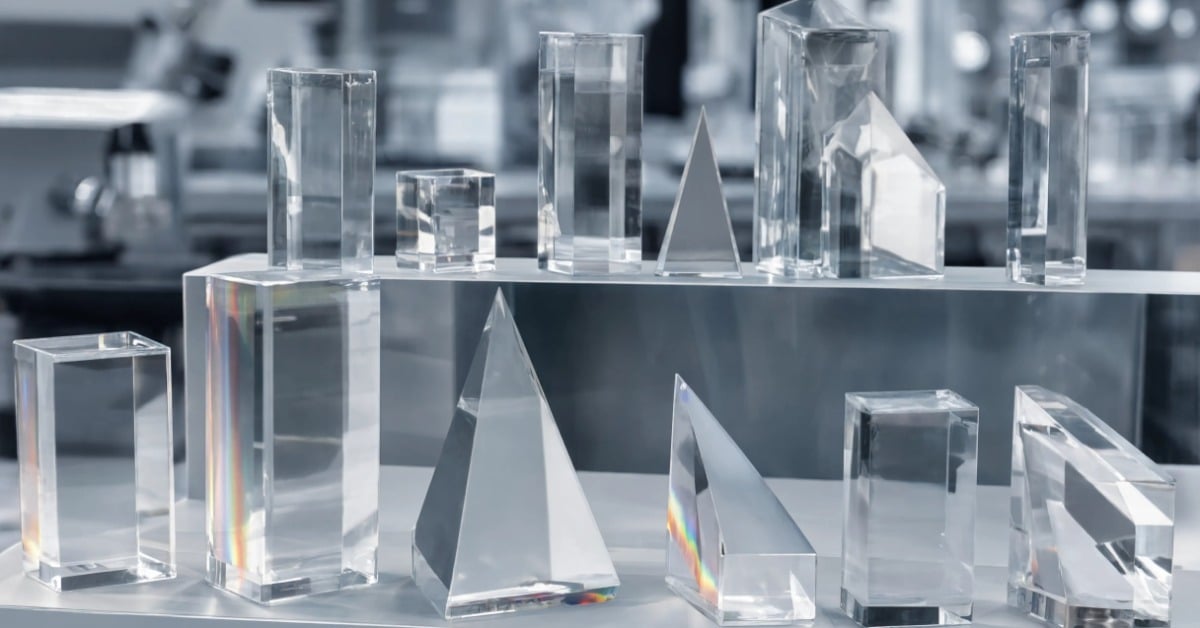
Material choice shapes how an optical component performs inside a larger assembly. Fused silica and nBK7 are both common optical glass materials, but they solve different problems. For teams weighing fused silica vs. nBK7 for their next project’s components, the right optical glass usually depends on the wavelength range, operating environment, manufacturing path, and inspection expectations behind the part.
The decision also affects how the part is manufactured, coated, inspected, and quoted. For engineers and procurement teams, comparing the two materials early can help clarify which requirements are essential before the component moves further into design or purchasing.
Optical Performance
Start with the light the component needs to manage. A visible-light inspection system does not place the same demands on glass as a UV laser application. The wavelength range should be one of the first details discussed because it affects transmission, coating options, and material fit.
Fused silica is known for strong transmission across ultraviolet (UV), visible, and near-infrared (NIR) ranges. It is often considered when UV transmission or broader optical performance is important to the application. It can also be a good fit when the component must support stable performance in a demanding optical path.
nBK7 is a borosilicate crown optical glass commonly used in visible-light applications. It offers dependable optical clarity for many systems where UV transmission or high thermal stability is not the main concern. When the application stays in the visible range, nBK7 may provide the needed performance without specifying a more advanced material.
The practical question is not whether fused silica or nBK7 looks better on paper. The better question is what the component must do once it is installed. A material that matches the wavelength range can help reduce avoidable design changes later.
Thermal Stability
Temperature can change how a component behaves. Heat exposure, thermal cycling, or a sensitive alignment path may make material stability more important than it appears at first. Even small dimensional changes can matter when the optical system depends on repeatable geometry.
Fused silica has very low thermal expansion, which means it changes size less than many optical glasses as temperature shifts. That property can support applications where heat or environmental variation affects alignment or beam behavior. It does not remove the need for proper design review, but it can provide useful stability in the right setting.
nBK7 may still work well in controlled environments where temperature changes are limited. In many visible-light systems, the thermal demands may not justify specifying fused silica. That makes nBK7 a practical option when the application does not require the added stability of fused silica.
Procurement teams often see this as a cost question, while engineers may see it as a risk question. Both perspectives matter. The material should support performance without overcomplicating the part.
Manufacturing Fit
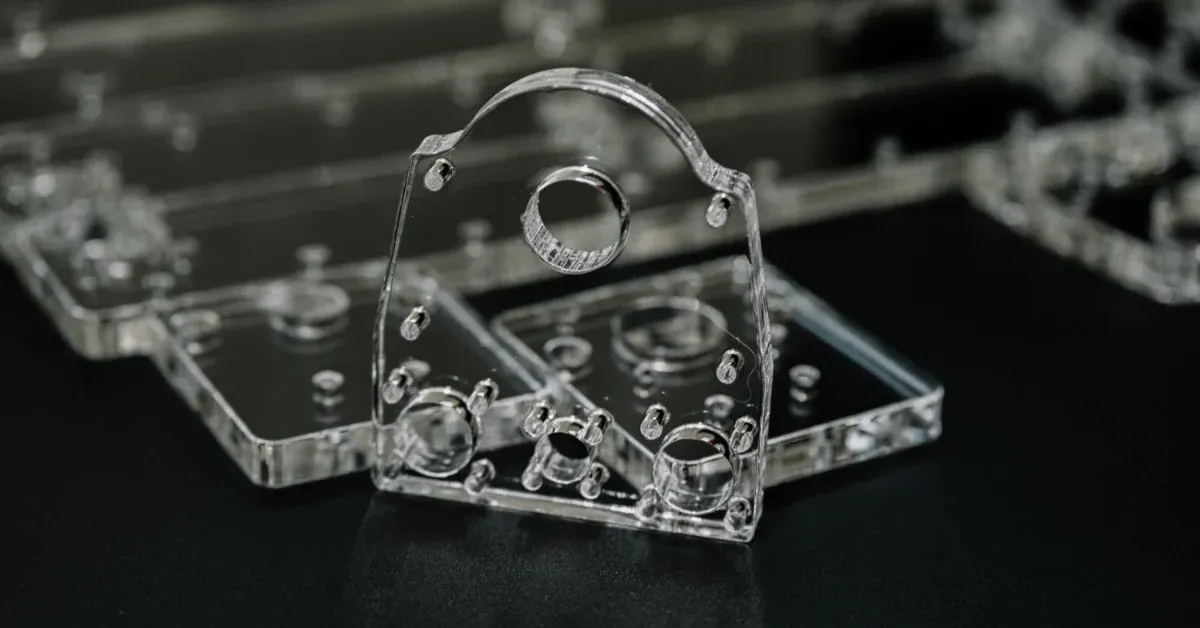
A material choice must also make sense for the manufacturing path. The part may need cutting, grinding, lapping, polishing, coating, and inspections before it becomes a finished component. Each step can be affected by the material and geometry. Tolerances and surface quality requirements matter, too.
Fused silica can support demanding optical and thermal needs, but it still requires a careful process plan. Tight tolerances, thin features, polished surfaces, and edge requirements can all influence manufacturability. Those details should be reviewed early, so the print does not call for requirements that are difficult to inspect or unnecessary for the application.
nBK7 can be a strong choice for many build-to-print optical components. It is familiar in precision optical work and may be appropriate when the design is centered on visible-light performance. If the application does not need UV transmission or low thermal expansion, nBK7 can help keep the specification focused.
For build-to-spec projects, the material discussion may start before a final print exists. A buyer may know the function of the part but not the best optical glass for the design. In those cases, the material choice becomes part of a larger manufacturability conversation.
Application Risk
Application conditions often reveal which material makes the most sense. A part used in a controlled sensor assembly may have different priorities than one exposed to UV energy or temperature variations. The more demanding the environment, the more important it becomes to review the material choice carefully.
Fused silica is often considered when the component needs UV performance, thermal stability, or broader transmission capability. It may also be useful when the optical path is sensitive to small changes in geometry. These requirements can make material performance central to the finished part.
nBK7 is often considered when the component operates in a visible-light system with controlled conditions. It can be used in many precision optical applications where fused silica would add performance that the system does not need. That distinction helps keep the part aligned with the real operating requirement.
Useful application questions include:
- What wavelength range must the component transmit?
- Will the part be exposed to UV energy or temperature cycling?
- Does the design require an optical coating?
- What surface quality and dimensional tolerances are critical?
- How will the finished part be inspected?
Specification Clarity
Clear specifications help turn a material decision into a manufacturable part. A print should identify critical dimensions, surface requirements, coating needs, and inspection expectations. When those details are unclear, the quote process may require more discussion before production planning can begin.
For fused silica, it helps to clarify whether the application needs UV-grade material or another grade suited to the wavelength range. For nBK7, it helps to confirm whether the component is intended for visible-light use and whether a specific material equivalent is acceptable.
A strong request for a quote package may include:
- A print, model, or sketch with critical dimensions marked
- The operating wavelength or wavelength range
- Surface quality, flatness, and parallelism requirements
- Coating requirements, if applicable
- Prototype, revision, or production status
- Known assembly or environmental constraints
Not every buyer has all of this information at the start. What matters is giving the manufacturing partner enough context to review the material choice before the component moves too far into design or purchasing.
Determine the Correct Component for Your Next Project
Choosing between fused silica and nBK7 is a practical decision about optical performance, manufacturing fit, and application risk. Fused silica often fits well with UV light, thermal stability, and demanding optical needs. nBK7 often fits visible-light applications where those added properties are not required.
If your team is evaluating material options for custom glass components, IRD Glass can review your print and application requirements. IRD can also discuss any coating needs and manufacturability concerns. Contact our glass experts today to talk through the right material path for your build-to-print or build-to-spec optical component.