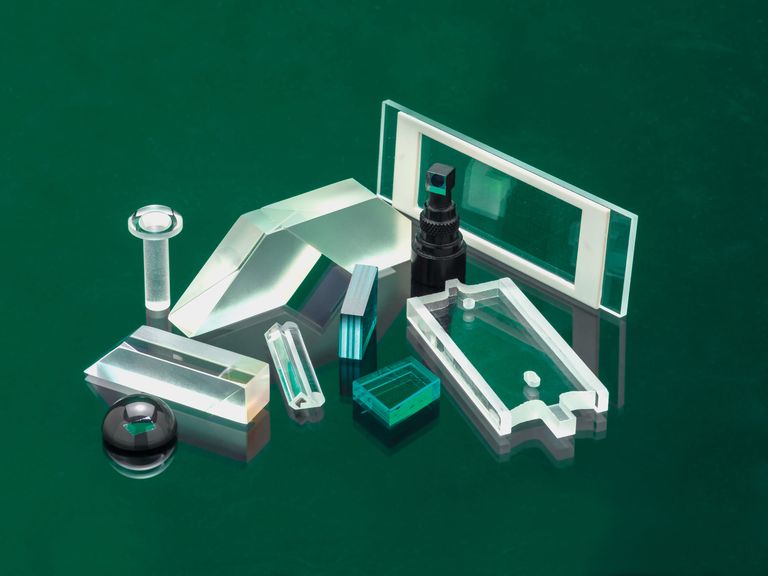
Design and manufacturability
Material, geometry, tolerance, finish, coating, assembly, packaging, inventory control, point-of-use conditions, and volume reviewed before tooling and process decisions lock in.
No cost on a new design
IRD reviews tolerances, finishes, packaging, inventory control, point-of-use conditions, and production volume before the process is released, not after the component has already been made. For a new design that review is free of charge.
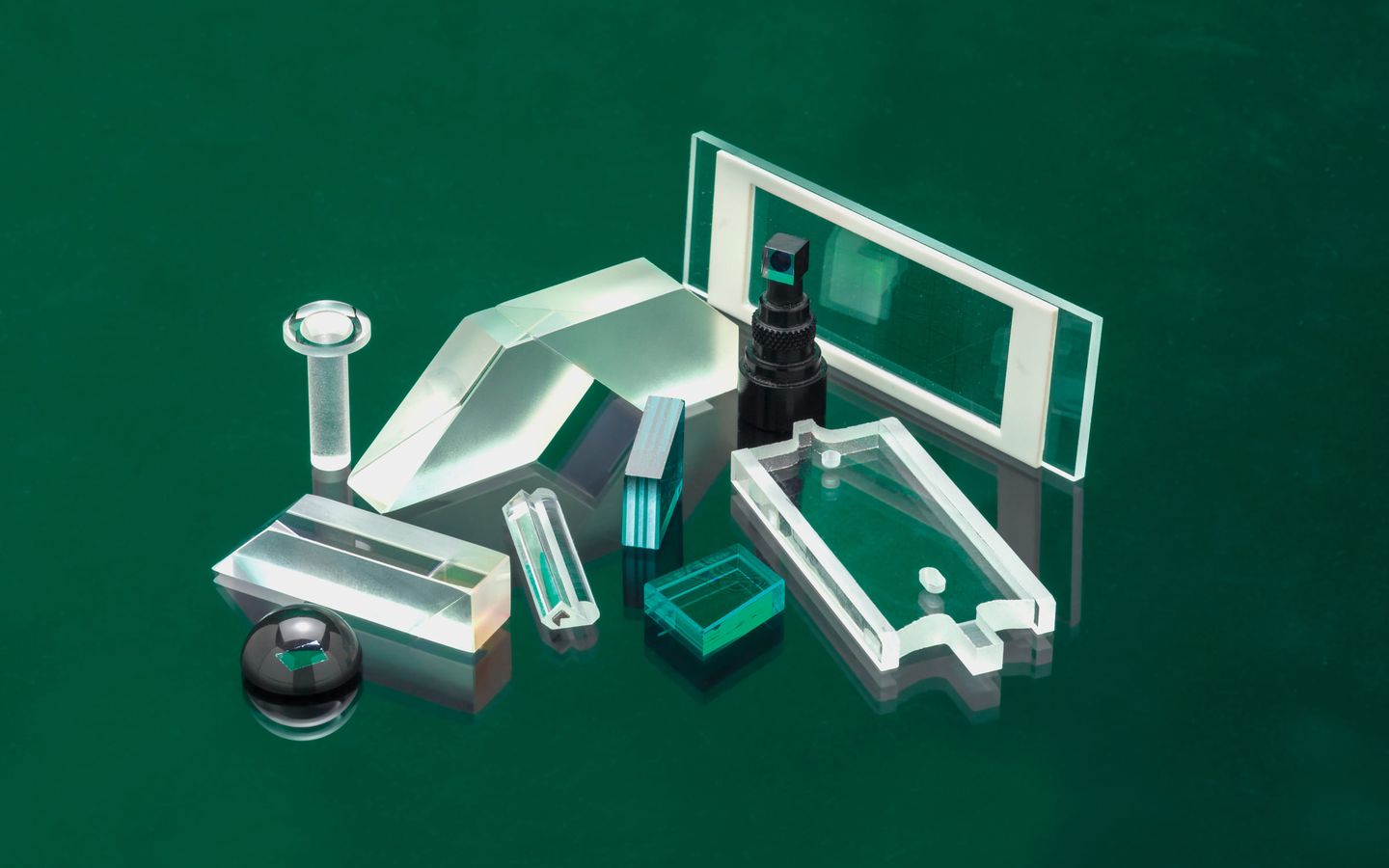
Value is measured at the customer line: fewer vendors, fewer touches, less incoming work, and a process that arrives in the required package.
Material, geometry, tolerance, finish, coating, assembly, packaging, inventory control, point-of-use conditions, and volume reviewed before tooling and process decisions lock in.
No cost on a new design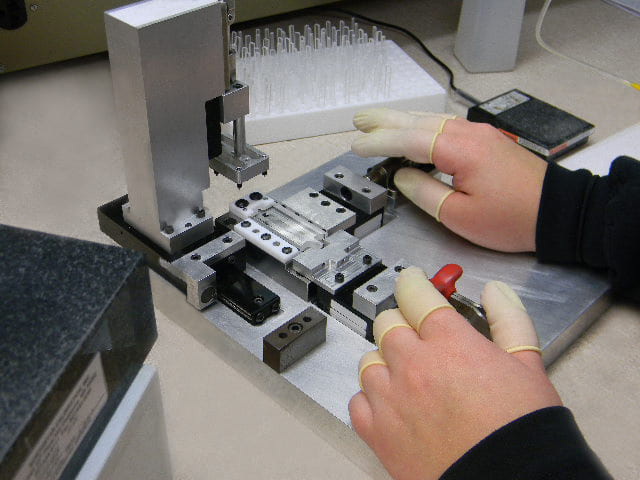
Simple and complex optical assemblies, adhesive and optical contact bonding, and custom thin-film coating completed alongside the components that define their performance.
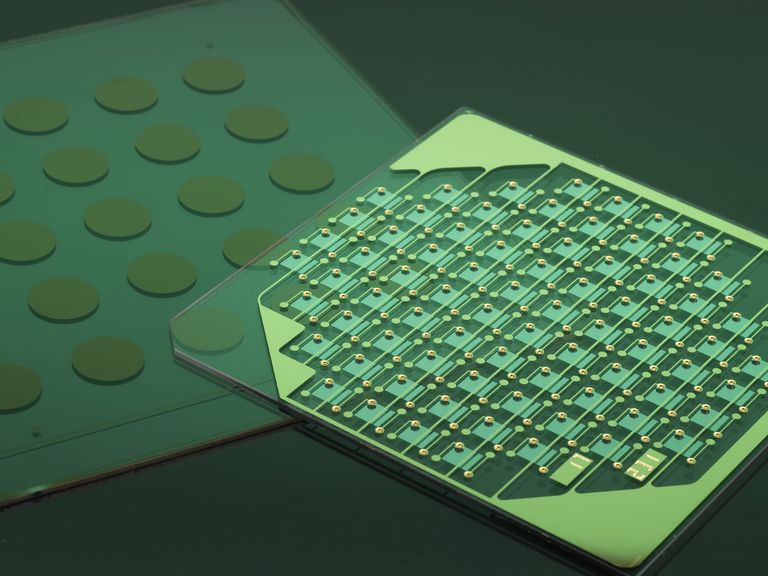
Parts cleaned, identified, grouped, and packaged around point-of-use requirements, so what arrives at your line is ready to use rather than ready to process.
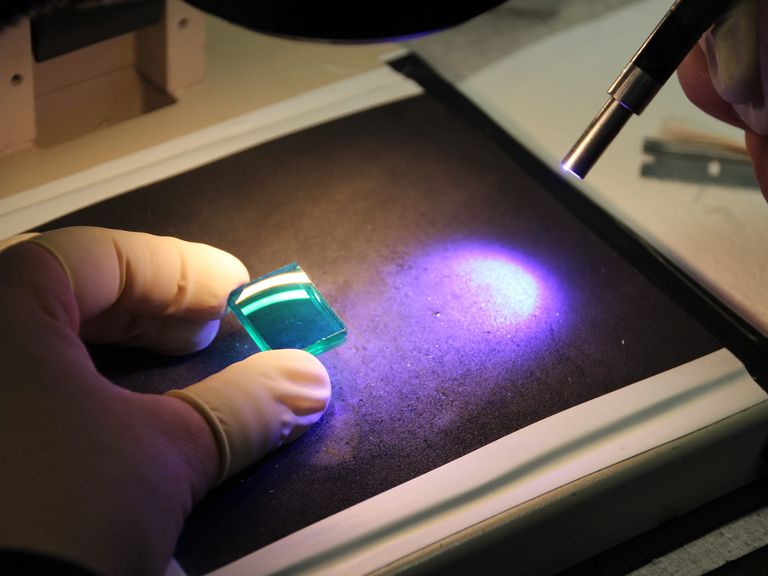
KanBan, just-in-time, and vendor-managed inventory replenishment with custom packaging, aligned to demand so the line receives the right quantity in the right condition.
These are IRD's published capability limits across materials and geometries, not a grade every part ships to. Open the process that controls your critical surface and quote against that one.
Services are scoped around the finished deliverable. Define what IRD should own and what acceptance evidence must travel with it.
| Attribute | Typical | Best case |
|---|---|---|
| Design reviewMaterial, tolerance, coating, assembly, packaging | Print + requirements | Application context included |
| Production supportCell and inventory plan scale with demand | Low volume | Multi-million per year |
| AssemblyOptical and mechanical subassemblies | Simple | Complex |
| InspectionCustom AOI where the rate demands it | Sampling plan | Per-piece automated |
| DeliveryCleaning, marking, kitting, and replenishment | Bulk packaged | KanBan / JIT / VMI |
Outsourcing a step only pays if the step arrives correct. These are the controls that make added scope reduce your risk instead of adding to it.
IRD's system is built on small dedicated teams, each responsible for the entire lifecycle of a component, ordering the raw material, manufacturing, final inspection, and shipping. IRD names this as its defense against spec creep: the drift between what the drawing says and what the part becomes over time.
A dedicated New Product Cell develops and improves new and existing processes, which is what lets prototypes turn around quickly and lets a customer identify a solution and begin production without waiting for a production cell to free up.
The stated philosophy is to build quality into each operation instead of sorting for it at the end, supported by ongoing investment in custom automation to reduce manufacturing cost, more effective polishing to increase yield, and higher-precision inspection.
Honeywell has issued IRD a Certificate for Exceptional Quality Performance for zero PPM defects over twelve monthsKanBan, just-in-time, and vendor-managed inventory delivery, with custom packaging and point-of-use kitting, move inventory cost and handling off the customer's balance sheet and out of its incoming process.
A multinational electronic components manufacturer needed what looked like a simple product for a high-production automotive component. It turned out to require a material with a very specific thermal expansion rate and strong chemical resistance to aggressive solvents. IRD incorporated a proprietary process that met the stringent specifications while accommodating multi-million-per-year volumes, then developed and implemented a custom automated optical inspection system so per-piece quality could be verified at that rate. IRD reported that the dedicated process and automated inspection supported multi-million-part annual volume for the component family.
Talk to an applications expertIRD's published materials, coating, and inspection equipment lists.
The answers an applications engineer would give you on the first call.
Start a quoteIRD's published figure is that roughly 80% of the customer-designed super-hard components it has manufactured benefited from its Design for Manufacturability review, where material, features, and specifications are weighed against total cost and quality. It runs before quoting and is free of charge on a new design.
IRD publishes flexible delivery scheduling including KanBan, just-in-time, and vendor-managed inventory, so the inventory cost sits with the process that creates it rather than with your line. Reported delivery performance is above 98% on-time, sustained across more than a decade.
IRD's quoting checklist: application, product type, volume potential and schedule, material, dimensions, surface quality, coatings, assembly, cleaning, and packaging. Attach the drawing. For a new design the technical team runs a no-cost Design for Manufacturability review before quoting, then estimates prototype and production volumes separately.
No. IRD manufactures to your print or performance requirement and contributes material, process, and manufacturability input, the design stays with your team. When a print calls for tighter tolerances than the application requires, IRD will flag the potential over-specification, since it can add unnecessary cost. Final optical design decisions remain yours.
Machining runs to 30″ × 16″ × 16″, polishing to 36″ diameter, grinding to 24″ diameter at 6″ height, lapping to 13.3″ diameter, waterjet to 40″ × 24″ × 2″, and dicing to 8″ diameter at .300″ thick. Larger geometry is quoted against whichever process controls the critical surface.
IRD applies basic anti-reflective and metallic coatings in-house for quick turnaround. Other coating requirements are handled through select, vetted coating partners. Name the coating target in the RFQ and the team will confirm the route before quoting.
IRD is registered with the Directorate of Defense Trade Controls, and controlled programs are manufactured and stored domestically across the Litchfield and Alexandria, Minnesota facilities. Both plants operate under quality systems certified to ISO 9001:2015 and ISO 13485:2016 for ultra-high-precision glass, optical, and ceramic components.
Packaging is tailored to the part and can include multi-layer foam, custom corrugated packaging, gel packs for sensitive optics, and military-grade cases. Components are supported on edges or non-critical surfaces outside the clear aperture and held against shifting in transit.
Use these IRD references when reviewing value-adding services requirements.
IRD's applications team on the information that makes a quote accurate the first time, and the omissions that cause a requote.
RecordingTechnical articleHow a component drifts from its drawing over time, and why IRD's cell-based system, one small team owning raw material through shipping, is the structural answer rather than a procedural one.
ArticleTechnical articleWhat cell-based production changes day to day, including the dedicated New Product Cell that exists so prototypes and process improvements do not queue behind production work.
Article
Tell IRD what should leave your line: the component, the operations you currently perform on arrival, the packaging and kitting your point of use needs, the replenishment model, annual volume and schedule, and the acceptance evidence that has to travel with the parts. For a new design, the technical team runs a no-cost Design for Manufacturability review before quoting, then estimates prototype and production volumes separately.
Or call 320.693.7217. If most of your cost sits in incoming inspection rather than in the part, say so, that is usually where the first conversation should start.