
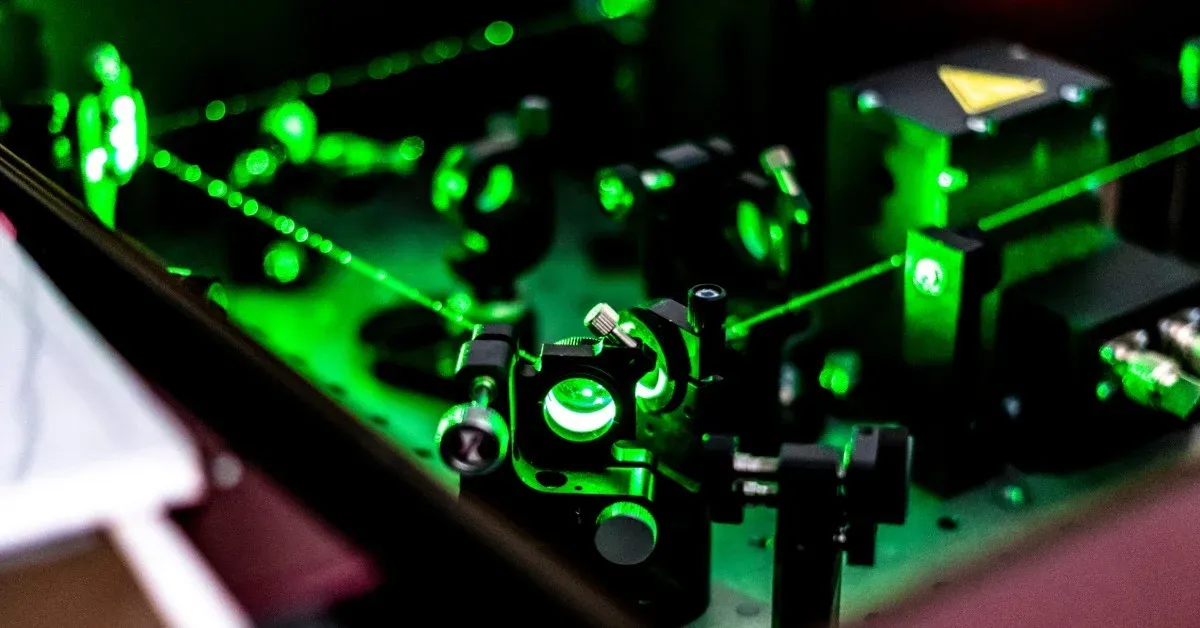
On September 23, AIM Photonics reported that sensing technology built on its photonic integrated circuit platform was demonstrated at Rio Robotico, an event where government, industry, and academic teams test technologies on unmanned ground and aircraft systems. The work focused on chemical, biological, radiological, and nuclear detection. It is an early operational test, not a claim that the technology is ready for widespread deployment. AIM Photonics’ report offers a useful glimpse of where optical sensing is headed.
Why field testing matters
A sensor can perform well on a laboratory bench and still face difficult questions when installed on a mobile platform. How will it tolerate vibration, temperature changes, dust, or limited space? Can an operator interpret the output quickly? Does the assembly remain aligned after transport and repeated use?
Rio Robotico brought developers and operators together to examine such questions in realistic integration tests. According to AIM Photonics, participants worked with technologies at different stages of maturity. Feedback and test data can expose gaps before a design moves further toward deployment. The report does not provide performance figures for the photonic sensor, so it would be premature to draw conclusions about its detection accuracy or readiness.
The optical component challenge
Photonic integrated circuits put optical functions onto chips, but a useful sensing system extends beyond the chip. Light may need to enter through a window, move through a carefully controlled path, interact with a sample, and reach a detector. Packaging and the surrounding components have to support the intended optical performance in the actual operating environment.
For teams designing such systems, material and geometry decisions deserve attention early. A window's transmission at the operating wavelength, surface quality, coating, thickness, and resistance to the environment can all matter. Mechanical interfaces and inspection plans matter as well. The right specifications depend on the sensor architecture; no single glass or ceramic is the answer for every application.
These are engineering considerations raised by the move toward field testing, not claims about the particular AIM Photonics prototype. Its announcement does not identify the external optical components used in the demonstration.
From prototype to repeatable production
As optical sensing moves from research into integrated platforms, component teams should discuss more than an initial fit check. A practical review can cover operating wavelength, optical power, environmental exposure, mounting constraints, critical dimensions, coating requirements, expected quantities, and how each important feature will be inspected. That conversation helps connect the design intent to a manufacturing process that can be repeated.
IRD works with customers on custom precision glass, optical, and ceramic components, from development through production. If your team is developing a sensor assembly, share the application context alongside the print. Early discussion of materials, tolerances, and inspection can help clarify what the finished component must do.
Source: AIM Photonics, “AIM Photonics Sensor Technology Demonstrated at Rio Robotico,” September 23, 2026.